What is Domain Name Valuation?
Domain name valuation is the process of figuring out how much a web address is worth. It’s not just a random guess. Many things go into this number.
Think of it like appraising a house. You look at the location, the size, and the features. For domain names, we look at similar details.
This helps you know if a price is fair. It also helps you set a good price if you’re selling.
Why does this matter? Knowing a domain’s value helps you make smart decisions. You won’t overpay for a name.
You also won’t sell a valuable name for too little. This is true whether you’re buying, selling, or just curious. We want to give you the tools to understand this process clearly.
A domain name’s value is determined by its potential to attract visitors and represent a brand online. This involves assessing factors like length, keywords, age, and market demand to estimate its market price.
How Domain Names Get Their Value
Domain names are like digital real estate. Some are worth a little, and some are worth a fortune. This value comes from several key areas.
We’ll look at each one. It’s like putting together a puzzle. Each piece adds to the whole picture of worth.
Key Value Factors Explained
Keywords: Does the name contain popular search terms? Like “cars” or “real estate.”
Length: Shorter names are often better. They are easier to remember and type.
Memorability: Is it easy to recall and spell? Catchy names stick with people.
Brandability: Does it sound like a strong brand? Unique and creative names can be very valuable.
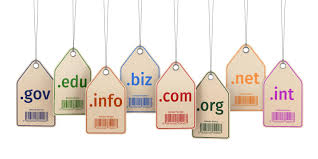
Domain Extension: “.com” is usually king. Other extensions like “.org” or “.net” can also be valuable.
Age: Older domains can sometimes have more trust. They might have built up authority over time.
The Power of Keywords in Domain Names
Keywords are words people type into search engines. If your domain name has a good keyword, it can attract visitors. Imagine owning “cheapflights.com.” People looking for cheap flights will likely find you.
This makes the name very valuable.
Even if it’s not a perfect match, related words help. A name like “flightdeals.net” is still strong. It tells people what it’s about right away.
Good keywords mean less work to get noticed. This is a big plus for any online business. It can save money on advertising.
It also brings in people who are already looking for what you offer. That’s why words people search for are so important.
Length Matters: Shorter is Often Sweeter
Think about how many times you type web addresses. Shorter ones are quicker. They are also easier to remember.
“Apple.com” is much simpler than “theapplecompanythatmakesgreatcomputers.com.” That’s why shorter names often sell for more money.
A short domain name is a gift to your visitors. They don’t have to struggle to type it. It looks cleaner too.
Many of the most valuable domain names are very short. They might be one word or a couple of short words. This is a key thing to look for when valuing a name.
Brandability: Does it Sound Like a Business?
Some domain names just sound good. They have a ring to them. They feel professional.
They sound like they could be a big company. This is called brandability. A brandable name is unique.
It’s easy to say and remember. It often sparks curiosity.
Names like “Google.com” or “Amazon.com” are great examples. They don’t tell you exactly what the company does. But they sound strong and memorable.
These names can be built into huge brands. Because they can become big brands, they are worth a lot. This is a more subjective factor.
It’s about how well a name could represent a business.
The .com Advantage and Other Extensions
For a long time, “.com” has been the gold standard. It’s the most trusted and recognized extension. When people think of a website, they often think “.com” first.
This makes “.com” domain names more valuable. They get more direct traffic. People often just try “.com” if they don’t know the right address.
However, other extensions are gaining ground. “.org” is common for non-profits. “.net” is still used by many tech companies.
New extensions like “.ai” or “.io” are popular in specific industries. While “.com” still has the edge, the value of other extensions depends on the niche. A “.ai” domain might be worth a lot to an artificial intelligence startup.
So, the extension matters, but context is key.
Domain Age and Its Impact
The age of a domain name can sometimes play a role. Older domains have been around longer. They might have a history of being used for websites.
This history can build up trust with search engines. They might also have existing backlinks. Backlinks are like votes of confidence from other websites.
They help a site rank higher in search results.
However, age alone isn’t a guarantee of value. A very old domain that was used for something spammy might have a bad reputation. A newer domain can be very valuable if it’s a great name.
We often look at the “whois” record. This record shows when the domain was first registered. It gives us a clue about its history.
But it’s just one piece of the puzzle.
My First Domain Name Purchase: A Lesson in Value
I remember when I first started looking at domain names. I was so excited to build my own website. I found a name that sounded really cool.
It was about photography. It was “mycreativephotos.net.” I thought it was perfect. It was descriptive and told people what it was about.
I bought it for about $15. A few months later, I learned about domain valuation. I looked at “mycreativephotos.net.” It was long.
It had “.net,” not “.com.” And while it had keywords, it wasn’t particularly catchy or brandable. It was just okay. I realized that while it was fine for my personal blog, it didn’t have much resale value.
It taught me that just because a name sounds good to you, doesn’t mean it’s a valuable asset. You have to look at it from a buyer’s perspective too. It was a good lesson on the difference between a usable name and a valuable one.
Domain Name Value Checklist
- Keywords: Easy to search?
- Length: Short and sweet?
- Memorability: Easy to remember?
- Brandability: Sounds like a strong brand?
- Extension: Is it a .com?
- History: Clean record?
- Typo Potential: Easy to spell correctly?
How to Check for Typos and Similar Names
Mistakes happen. People often misspell words. A domain name that is easy to mistype can lose value.
If your name is “photographynews.com,” people might type “photoography,” “photographynews,” or “fotographynews.” If they mistype, they won’t reach your site.
This is why names that are simple and clear are better. We also look for “typosquatting.” This is when someone registers a domain name that is a common misspelling of a popular one. They hope to catch people who make mistakes.
While this can be a strategy, it’s also a sign that the correct spelling is more valuable. When valuing a domain, consider how easy it is for someone to get it wrong.
Using Domain Appraisal Tools
There are online tools that can help estimate a domain’s worth. These tools use algorithms. They look at many factors we’ve discussed.
They compare your domain to others that have sold. Think of them as a starting point. They can give you a rough idea of value.
Some popular tools include EstiBot and GoDaddy Appraisal. They consider things like keyword popularity, domain extension, and length. However, these tools are not perfect.
They can’t always capture the full potential of a unique brandable name. They also don’t know about specific market trends. So, use them as a guide, not a final answer.
They are a helpful part of the valuation process.
Domain Appraisal Tool Insights
Algorithm-Based: Uses data to guess value.
Comparison Data: Looks at past sales of similar domains.
Factors Considered: Keywords, length, extension, age.
Limitations: Can’t judge subjective brandability well.
Usefulness: Good for initial estimates and comparisons.
Comparing Sales of Similar Domains
One of the best ways to value a domain is to look at what similar names have sold for. This is called “comparable sales” or “comps.” If you own “traveltips.com,” you’d look for sales of other travel-related “.com” domains. Did “vacationideas.com” sell for $5,000?
Did “adventuretravel.com” go for $10,000?
Websites like NameBio.com track domain sales. This is a treasure trove of information. You can search for keywords, extensions, and price ranges.
It shows you what buyers are actually paying for domain names. This real-world data is crucial. It helps you understand the current market.
It’s much more reliable than just guessing. Seeing actual sales data grounds your valuation in reality.
The Role of Market Demand
Just like any market, domain names are affected by demand. If many people want domain names in a certain industry, prices will go up. For example, in recent years, demand for “.ai” domains has surged.
This is because of the boom in artificial intelligence. Names related to AI can now fetch high prices.
Conversely, if an industry is shrinking, domain demand might fall. It’s important to stay aware of trends. What is popular now might not be in a few years.
A domain that is valuable today might be less so tomorrow. Understanding current demand helps you set a realistic price. It also helps you see potential future value.
When a Domain is More Than Just a Name
Sometimes, a domain name is more than just a web address. It can be an existing business. If a domain has a website with traffic, customers, and revenue, its value is much higher.
This is called an “established website” or an “online business.” In this case, you’re not just valuing the name. You’re valuing the whole package: the website, the brand, the customer base, and the income it generates.
For example, “BestWidgetsOnline.com” might have a fully running e-commerce store. It gets 10,000 visitors a month and makes $5,000 in sales. This domain is worth a lot more than just the name itself.
You’d need to consider its profit, growth potential, and assets. This type of valuation is more complex. It requires looking at financial statements and business metrics.
Assessing Domain Authority and Backlinks
Search engines like Google look at a domain’s “authority.” This is a measure of how trustworthy and important a website is. A domain with high authority is more likely to rank well in search results. Authority is built over time.
It comes from having good content and getting many high-quality backlinks.
Backlinks are links from other websites to yours. The more good links you have, the more authoritative your domain might seem. Tools like Ahrefs or SEMrush can measure domain authority and backlinks.
A domain with strong authority and many good links is generally worth more. It means it has a head start in attracting organic traffic. This is a valuable asset for any website owner.
How to Estimate Value: A Practical Approach
Let’s put it all together. You want to estimate the value of a domain. Start with the basics.
Is it a “.com”? Is it short? Does it contain a strong keyword people search for?
Next, check its brandability. Does it sound like a business? Is it easy to remember and spell?
Then, use online appraisal tools for a first estimate. But don’t stop there. Search NameBio for comparable sales.
Look for domains with similar keywords, lengths, and extensions that have recently sold. See what they went for. Consider the market demand for that type of name.
Finally, think about any existing website or brand associated with the domain.
Your Domain Valuation Steps
Step 1: Check Extension & Length (.com, short names are good).
Step 2: Identify Keywords & Brandability (Searchable, memorable names).
Step 3: Use Appraisal Tools (Get an initial range).
Step 4: Research Comparable Sales (See what similar domains sold for).
Step 5: Consider Market Trends & Demand (What’s popular now?).
Step 6: Evaluate Existing Website/Brand (If applicable, this adds huge value).
When to Worry: Red Flags in Domain Valuation
Not all domain names are created equal. Some have issues that can make them less valuable. One big red flag is a history of being used for spam or scams.
If a domain was involved in illegal activities, it can be blacklisted. This makes it very hard to use for a legitimate business. Search engines will penalize it.
Another issue is if the name infringes on trademarks. If you register “CocaColaAds.com,” you could face legal trouble. This makes such names risky and less valuable for legitimate buyers.
Also, domains with common misspellings of popular brands can be problematic. They might be seen as deceptive.
Domain Name Red Flags
Spam/Scam History: Leads to blacklisting.
Trademark Infringement: Legal risks involved.
Poor Spelling/Typo Prone: Visitors get lost.
Negative Reputation: Bad history affects trust.
Lack of Clear Purpose: Confusing names are harder to sell.
The Subjective Nature of Domain Value
It’s important to remember that domain valuation isn’t an exact science. While we can use data and tools, there’s always a subjective element. What one buyer sees as highly valuable, another might not.
A name that’s perfect for a specific niche business might be useless to someone else.
This is especially true for brandable domains. They don’t have obvious keywords. Their value depends on someone’s vision.
It’s like art; one person might pay a lot for a painting, while another sees it differently. This means negotiation plays a big role in the final sale price. You have to find the right buyer who sees the same value you do.
What is a “Premium” Domain Name?
A “premium” domain name is usually a short, highly memorable “.com” domain. It often contains a common, valuable keyword or is very brandable. These names are in high demand.
They are the ones that often sell for thousands or even millions of dollars. Think of names like “Voice.com” or “Cars.com.”
These names are considered premium because they offer immediate brand recognition. They have great potential for traffic and marketing. They are easy for customers to find and remember.
Not every domain name is premium. Most are not. But understanding what makes a domain premium helps you see the upper end of the value scale.
Negotiation: The Final Step in Selling
Once you have an idea of a domain’s value, the next step is often negotiation if you plan to sell. You’ll have a target price in mind. A buyer will likely make an offer.
The goal is to meet somewhere in the middle.
Be prepared to justify your price. Use the comparable sales data you found. Highlight the strengths of your domain: its keywords, its length, its brandability.
Be polite and professional. Sometimes, a buyer just needs a little more information to see the value. Good negotiation can mean the difference between a sale and no sale.
It can also mean getting a better price.
My Experience Selling a Domain: Patience is Key
I once had a domain name: “HomeSecurityTips.net.” It was a pretty good name. It had keywords and a clear purpose. I thought I could get a few hundred dollars for it.
I listed it on a marketplace and waited.
Weeks went by. Then months. I got a few lowball offers, like $50.
I declined them. I started to get discouraged. Was the name not as good as I thought?
I did more research. I looked at sales of similar “.net” domains. They weren’t selling for much.
I realized that for this specific name, “.net” was a big limitation. People preferred “.com.” I also saw that many similar “.com” names were already taken or were very expensive. I ended up holding onto it for a while longer.
Eventually, I sold it for about $75. It wasn’t a huge payday, but it was more than the lowball offers. This taught me a lot about patience and understanding the specific market for your domain.
Not every domain sells quickly. Sometimes, you have to wait for the right buyer, or adjust your expectations.
Is Your Domain Worth Investing In?
So, when should you consider a domain name a good investment? If you’re looking to buy, consider a domain that has strong potential. This means it’s short, memorable, has good keywords, or is highly brandable.
It’s preferably a “.com.” If you can acquire it for a reasonable price, it could grow in value over time. Especially if you believe the industry it relates to will grow.
If you already own a domain, assess its current value. If it’s significantly more than what you paid, you might consider selling. Or, if it’s a key part of your business, its value might be in its use, not its resale price.
Investing in domain names can be profitable, but it requires research and understanding the market. It’s not a guaranteed path to riches, but a well-chosen domain can be a valuable digital asset.
The Future of Domain Name Valuation
As the internet evolves, so will domain name valuation. We’re seeing more new domain extensions emerge. Their value will depend on how they are adopted.
The rise of AI and new technologies will also create demand for specific types of domain names.
The core principles will likely remain the same: length, keywords, memorability, and brandability. But we might see new factors come into play. For now, focusing on these established principles will help you understand and determine the value of any domain name.
It’s about understanding what makes a digital address desirable and useful.
Quick Checks Before You Buy or Sell
Before you make a decision about a domain, ask yourself these quick questions:
- Is it easy to say and spell?
- Is it short enough?
- Does it use a common extension like .com?
- Does it relate to a growing industry?
- Could someone easily build a business around it?
If you can answer yes to most of these, you’re likely looking at a domain with good potential value. If the answer is no to many, it might be a name to pass on, or one with limited resale appeal.
When Is a Domain Name Most Valuable?
A domain name is most valuable when it meets several criteria simultaneously. This includes being short, being a “.com,” containing a highly sought-after keyword, being extremely brandable, and having a clean history. Additionally, if the domain is currently a thriving website with consistent traffic and revenue, its value skyrockets.
The demand from buyers for such perfect combinations drives their high market prices. Finding a name that ticks all these boxes is rare, which is why they command such high prices.
How Can I find Out How Much a Domain is Worth?
To find out how much a domain is worth, you need to do some research. Start by checking its basic features like length and extension. Then, use domain appraisal tools for an initial estimate.
The most important step is to research comparable sales. Websites like NameBio.com list recent sales of similar domain names. You should also consider the domain’s keywords, brandability, and market demand.
If the domain has an existing website, its value will be much higher and require business valuation methods.
Are Short Domain Names Always More Valuable?
Short domain names, especially single words or very short phrases, are generally considered more valuable. They are easier to remember, type, and brand. This makes them highly desirable for businesses.
For example, “cars.com” is far more valuable than “therightcarratingguide.com.” However, value also depends on other factors. A short, nonsensical name might be less valuable than a slightly longer, descriptive name in a specific niche. But as a rule of thumb, shorter .com domains tend to hold more market value.
What is the Most Important Factor in Domain Value?
While many factors contribute to a domain’s value, the most important is often considered to be its marketability and demand. This encompasses several elements: Is it a “.com”? Is it short and memorable?
Does it contain a popular, relevant keyword? Can it be built into a strong brand? Ultimately, a domain is worth what someone is willing to pay for it.
A name that appeals to a wide range of potential buyers or solves a clear need for a business will command the highest value. This demand is fueled by a combination of its inherent qualities and current market trends.
How to Assess the Brandability of a Domain Name
Assessing a domain’s brandability involves looking at its potential to become a recognizable and trusted name. Does it sound unique and distinctive? Is it easy to pronounce and spell?
Does it evoke positive feelings or curiosity? Brandable names are often invented words, abstract terms, or creative combinations that don’t have direct dictionary meanings but are catchy and memorable. Think of names like “Kodak” or “Spotify.” They don’t tell you exactly what the product is, but they stick with you.
It’s a subjective quality, but a domain with strong brandability can be incredibly valuable because it can be shaped into a powerful identity.
What Are the Dangers of Buying a Bad Domain Name?
Buying a bad domain name can be costly and time-consuming. You might overpay for a name with little to no resale value. It could be difficult to drive traffic to it because it’s hard to remember or spell.
A domain with a negative history, like being used for spam, can harm your reputation and search engine rankings. You could also face legal issues if the name infringes on existing trademarks. Essentially, a bad domain name can be a significant obstacle to online success, wasting both money and effort.
What Makes a Domain Name a Good Investment?
A domain name is a good investment if it has the potential to increase in value over time. This usually means it possesses several desirable qualities: it’s a short, memorable “.com,” it contains a relevant and popular keyword, it’s highly brandable, and it has a clean history. Investing in domains is similar to investing in other assets; you look for quality, demand, and potential for growth.
Domains related to growing industries or common needs are often good candidates. Thorough research into comparable sales and market trends is crucial before making an investment. While not all domains appreciate, a well-chosen one can become a valuable digital asset.
Conclusion: Your Domain Value Compass
Valuing a domain name takes a mix of art and science. By looking at keywords, length, extension, brandability, and sales data, you can get a clear picture. Remember to check for red flags and understand market trends.
Use appraisal tools and research comparable sales. This guide gives you the compass you need to navigate the world of domain names. It helps you make informed decisions, whether you’re buying, selling, or just curious.