It’s like walking into a store and seeing a sign that perfectly matches what you’re looking for. That’s the feeling some people get when they see an exact match domain (EMD). It sounds simple, but it holds a lot of interest for folks building websites.
You might be wondering if having a domain name like bestdogfood.com for a dog food review site is still a magic bullet. We’ve all heard the stories. This post dives deep into what an EMD really means today.
We’ll explore its place in search engine optimization (SEO) and why it might or might not be the best choice for you.
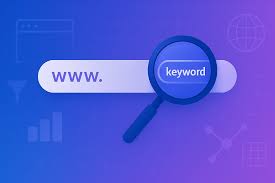
An exact match domain (EMD) is a web address where the domain name is the same as the main keyword or phrase someone might search for. For example, “buycheapshoesonline.com” would be an EMD for a site selling shoes. While they once had a direct SEO advantage, their impact is now much smaller.
Google focuses more on content quality and user experience over just the domain name itself.
What Exactly is an Exact Match Domain (EMD)?
An exact match domain, or EMD, is pretty much what it sounds like. It’s a domain name that consists of the exact phrase someone types into a search engine. Think of it as a direct signpost for a specific topic.
If people are looking for “plumbing services in chicago,” an EMD would be something like chicagoplumbingservices.com.
For a long time, this was seen as a big SEO win. Search engines like Google understood very clearly what the website was about. This direct mapping was thought to give these sites a boost in search rankings.
It was like telling Google, “Hey, this site is exactly what you’re looking for!”
This strategy worked well for many years. Website owners would buy domains that were popular search terms. They hoped this would automatically put them at the top of the search results.
It was a straightforward approach that seemed to pay off. The domain name itself acted as a powerful keyword signal.
However, the world of search engines is always changing. What worked yesterday might not work today. Google and other search engines have become much smarter.
They now focus on many other factors besides just the domain name. They want to understand the whole website, not just its address.
The History and Evolution of EMDs in SEO
Back in the day, having an exact match domain was a golden ticket for SEO. If your site was called newyorkpizzadelivery.com, and someone searched for “New York pizza delivery,” Google saw that. It was a strong signal that your site was relevant.
Many early SEO gurus preached about buying up these keyword-rich domains.
It was a simple formula: find a popular search term, buy the matching domain, build a basic website, and watch the traffic roll in. This led to a lot of domains that were just strings of keywords. They often lacked user-friendliness or creativity.
They were built for search engines, not necessarily for people.
For instance, you might have seen domains like cheapestflightsbooknowonline.net. These were functional but not exactly memorable or inspiring for a brand. The focus was purely on the search term.
The idea was that the domain itself carried significant ranking power.
Then came the changes. Google’s algorithms got much more sophisticated. They started to understand synonyms, user intent, and the overall quality of a website.
The original EMD update in 2012 was a big signal. It aimed to penalize low-quality sites that were using EMDs just for search rankings.
The goal was to reward websites that offered real value and a good user experience. Google wanted to ensure that the best results were shown to users, regardless of whether the domain name was a perfect keyword match. This shift marked a turning point for EMDs.
Their direct SEO advantage began to fade.
How Exact Match Domains Work Today
So, how do EMDs fare in today’s search landscape? While they don’t hold the same direct ranking power they once did, they aren’t entirely useless. The key difference is that Google now looks at the entire picture.
It’s not just about the domain name anymore. It’s about the content, the user experience, and the overall authority of the site.
An exact match domain can still offer a slight benefit. When Google sees a domain like bestcoffeebeans.com, it still gets a clear idea of what the site is about. This initial understanding can be helpful.
It’s a strong signal of relevance, but it needs to be backed up by excellent content and a great user experience.
If you have an EMD and it’s stuffed with keywords or offers poor content, it won’t rank well. Google’s algorithms are designed to detect this. They want to show users helpful and reliable information.
A domain name alone can’t fake that. It’s like having a beautiful storefront but an empty store inside.
Think of it this way: the domain name gives you a starting point. It can help users understand what your site is about at a glance. It can also help search engines understand your niche.
But the real work comes from creating valuable content, building a good reputation, and making your site easy to use.
Many successful websites today don’t have EMDs. They have brandable names like “Amazon” or “Google.” These names don’t tell you what the site does directly. Yet, they have become incredibly powerful brands.
This shows that a strong brand and excellent service can often outweigh the perceived benefit of an EMD.
The current thinking is that if you happen to have a good EMD that’s also brandable and relevant, that’s great. But actively seeking one out and expecting it to be your main SEO strategy is likely a mistake. The focus should always be on providing the best possible experience for your visitors.
EMD Quick Scan: What to Look For
Relevance: Does the domain clearly state the site’s purpose?
Memorability: Is it easy for people to remember and type?
Brandability: Can it grow into a strong brand name?
Length: Is it reasonably short and not too complex?
Potential Benefits of Using an EMD
Even though EMDs aren’t the SEO superpower they once were, they can still offer some advantages. These benefits are more subtle now. They often tie into branding and user perception rather than direct ranking boosts.
One of the main benefits is immediate clarity. When someone sees an exact match domain like healthyrecipesforkids.com, they instantly know what the site is about. This can attract the right kind of visitor.
It reduces the guesswork for the user. They know they’ve likely landed on a relevant page.
This clarity can also help with click-through rates (CTR) in search results. If a user searches for “buy running shoes online,” and they see an EMD like buyrunningshoesonlinestore.com, they might be more inclined to click it. It seems like a perfect match for their search query.
This initial trust can be valuable.
Furthermore, for very niche businesses or local services, an EMD can still be quite effective. A local plumber in a small town might find that plumber.com works well. It clearly identifies their service and location.
This is especially true when combined with strong local SEO efforts.
Another potential, though less direct, benefit relates to brand recall. If a user remembers the search term they used, they might also remember the domain name that perfectly matched it. This can make it easier for them to find your site again later, even if they don’t search for it directly.
However, it’s crucial to balance these benefits with the understanding that they are not a substitute for quality. An EMD is a tool, not a magic wand. The actual value comes from what you build on that domain.
If the content is poor, or the site is hard to navigate, the EMD won’t save it.
EMD Advantage: Quick Glance
Direct Relevance: Users know your topic instantly.
Potential for Higher CTR: Strong match to search queries.
Niche/Local Effectiveness: Clear for specific services.
Memorability (Search-Term Driven): Easier recall for some users.
The Downsides and Risks of EMDs
While EMDs have some potential upsides, they also come with significant drawbacks. In today’s digital world, these risks can sometimes outweigh the benefits. It’s important to be aware of them before committing to an EMD strategy.
One of the biggest risks is the perception of spam or low quality. Because many low-quality sites used EMDs in the past, Google’s algorithms are now more sensitive to them. If your EMD is overly keyword-stuffed or the site doesn’t offer real value, it could be flagged as spammy.
This can hurt your rankings, not help them.
Another major issue is brandability. A good brand name is memorable, unique, and can grow with your business. An EMD, by its nature, is often generic.
For example, bestlaptopsreview.com is descriptive but not very brandable. It’s hard to build a strong, recognizable brand around such a name. It limits your ability to expand into related areas later on.
Consider what happens if you want to offer more than just laptop reviews. Perhaps you want to sell accessories or compare different tech gadgets. A domain like techgadgetreviews.com would be more flexible.
An EMD can box you in. It becomes hard to pivot or expand your offerings without confusing your audience or losing relevance.
Flexibility is key in the online world. If your business evolves, your domain name should ideally be able to evolve with it. EMDs often lack this flexibility.
They are tied too tightly to a specific keyword phrase.
Furthermore, EMDs can sometimes be harder to remember or type correctly if they are very long or contain unusual keyword combinations. People might misspell them, leading to lost traffic. Shorter, more memorable, and brandable domain names are often easier for users to recall and share.
Finally, the SEO advantage, as mentioned, is minimal now. Relying on an EMD as your primary SEO strategy is a risky move. It’s like betting on a single horse in a race when there are many other factors involved.
You could invest a lot of time and money only to find that your domain name doesn’t give you the edge you expected.
EMD Risks: What to Watch Out For
Spam Perception: Can be seen as low-quality or spammy.
Poor Brandability: Hard to build a strong, unique brand.
Limited Flexibility: Restricts business expansion and evolution.
Memorability Issues: Long or keyword-stuffed names are forgettable.
Minimal SEO Impact: Not a substitute for quality content and UX.
What Google Says About Exact Match Domains
Google has been quite clear over the years about its stance on EMDs. They have made algorithmic adjustments to ensure that low-quality EMD sites don’t unfairly rank higher than more valuable, better-built sites.
In 2012, Google implemented the exact match domain update. This was specifically designed to reduce the ranking of low-quality sites that were using EMDs solely for SEO purposes. The goal was to make sure that relevant, high-quality content was prioritized, regardless of the domain name.
Google’s official stance has always been that while an EMD can be a signal of relevance, it’s not the sole determinant of rankings. They have stated that the quality of the website’s content, the user experience it provides, and its overall authority are far more important factors.
Essentially, Google wants to reward websites that are genuinely useful to users. A domain name that perfectly matches a search query is helpful for users to understand what a site is about. But if the site itself is poorly designed, has thin content, or is hard to navigate, Google will not favor it highly.
Matt Cutts, a former Google search engineer, often spoke about this. He explained that they look at many signals. The domain name is just one small piece of the puzzle.
The focus has always been on providing the best possible search experience for users.
They have also emphasized that a strong brand and a positive user experience can often overcome not having an EMD. Many of the top-ranking websites today have brandable domain names that are not exact keyword matches. This shows that Google values the overall quality and trust of a website above the specific wording of its domain.
So, while Google acknowledges that an EMD can offer a hint about a site’s topic, it’s not a shortcut to higher rankings. The search giant prioritizes genuine value and user satisfaction above all else. This means that if you have an EMD, you still need to do all the other important work of SEO and website development.
EMDs vs. Branded Domains vs. Partial Match Domains
To truly understand where EMDs stand, it helps to compare them to other types of domain names. This comparison highlights the nuances and changing priorities in domain strategy.
Exact Match Domains (EMDs): As we’ve discussed, these are domains where the name is the exact search term. Example: buycheapwidgets.com for a site selling widgets. Historically strong for SEO, now less impactful.
Benefit: Instant relevance. Risk: Can seem spammy, poor brandability.
Branded Domains: These are names that are created to be memorable and unique, often abstract words or invented names. Examples: “Google.com,” “Amazon.com,” “Zillow.com.” They don’t directly state what the site does. Benefit: Excellent for brand building, flexible for expansion, memorable.
Risk: Takes time and marketing to establish recognition and explain what the brand does.
Partial Match Domains (PMDs): These domains contain some keywords but are not an exact match. They often blend keywords with other words or brand elements. Example: “BestWidgetShop.com,” “WidgetProStore.net.” Benefit: Offer some keyword relevance while being more brandable than EMDs.
Risk: Can still be keyword-heavy, less direct than EMDs.
In today’s SEO environment, branded domains are often the preferred choice for long-term success. They allow for flexibility, strong brand identity, and can build significant trust over time. Many successful businesses have started with branded domains and built their authority through content and user experience.
PMDs can be a good middle ground. They offer a balance between keyword relevance and brandability. They can still signal the topic of the site without being overly restrictive or potentially appearing spammy.
EMDs still have a place, particularly for very niche local businesses or specific product/service offerings where immediate clarity is paramount. However, the focus has shifted. The domain name is just one small piece of a larger strategy that includes high-quality content, user experience, and building trust.
Domain Type Comparison
| Domain Type | Example | Primary Benefit | Primary Risk |
|---|---|---|---|
| Exact Match | buycheapwidgets.com | Instant relevance | Poor brandability, spam perception |
| Branded | Google.com | Strong brand building | Requires marketing to establish |
| Partial Match | WidgetProStore.net | Balance of relevance & brand | Less direct than EMD |
Real-World Scenarios: When EMDs Might Still Work
While the broad SEO advantage of EMDs has diminished, there are still specific situations where they can be a sensible choice. These scenarios often involve clear user intent, local targeting, or highly specific product niches.
Local Services: Imagine you run a bakery in your town. If your business name is “Sweet Treats Bakery,” and you get the domain sweetreatsbakery.com, that’s fantastic. It’s descriptive and local.
Even better, if you can get bakery.com, that’s a great EMD for local searches. People searching for “bakery near me” or “bakery in ” will immediately see relevance. Combined with Google Business Profile, this can be very effective.
Highly Specific Niches: Consider a website dedicated to reviewing a very particular type of collectible, like “vintage comic books.” An EMD like vintagecomicbookreviews.com might still be beneficial. The search term itself is quite specific. Users looking for this exact information will appreciate the directness.
The domain clearly signals the specialized content.
Product-Focused Sites: If you are launching a website that sells one very specific type of product, an EMD could work. For example, if you’re selling custom-made wooden spoons and nothing else, customwoodenspoons.com clearly communicates that. It sets expectations for visitors looking for exactly that item.
Information-Rich Topics with Clear Search Terms: For topics where users have very defined search queries, EMDs can still be useful. Think about educational sites or resource hubs for specific software. A site like learnphotoshoptutorials.com directly tells users they’ll find Photoshop lessons there.
In these cases, the EMD helps bridge the gap between the user’s search query and the website’s content. It acts as a strong initial signal. However, the success of these EMDs still hinges on the quality of the content and the overall user experience provided.
Google will still penalize sites that are just keyword-stuffed pages with little value, regardless of the domain name.
The key takeaway is that EMDs are not a universal solution. They work best when the search term is highly specific, the target audience is clear, and the domain itself doesn’t feel forced or unnatural. They can serve as a helpful indicator for users and search engines, but they are not a replacement for building a valuable and trustworthy website.
What This Means for Your Website Strategy
Given the current SEO landscape, how should you approach your domain name strategy? The most important thing is to focus on building a valuable, user-centric website. Your domain name should support this goal, not be the sole driver of it.
Prioritize Brandability and Memorability: A domain name that is easy to remember, spell, and share is invaluable. It helps build your brand and makes it easier for people to return to your site. Think about names that sound good and are unique.
Consider User Intent: What are people really looking for when they search for topics related to your niche? Your domain name can help signal relevance, but it must be backed by content that actually answers their questions or solves their problems.
Content is King (and Queen): No matter what domain name you choose, your content quality will ultimately determine your success. High-quality, original, and engaging content is what search engines want to rank. It’s what keeps visitors on your site and makes them want to come back.
User Experience Matters: A website that is easy to navigate, fast to load, and mobile-friendly is essential. Google takes user experience signals very seriously. A great domain name can’t compensate for a poor user experience.
Don’t Over-Stuff Your Domain: If you already have an EMD, use it wisely. Don’t feel pressured to stuff every possible keyword into your content or URL structure. Focus on natural language and genuine helpfulness.
Think Long-Term: Will your domain name still make sense if your business expands or pivots? A more flexible, brandable name might be a safer bet for long-term growth than a hyper-specific EMD.
Ultimately, the value of your domain name is tied to the value of your website. If you create a great resource that people love, your domain name will become associated with that quality. The technical aspects of the domain name are secondary to the user’s experience and the value you provide.
Tips for Choosing a Domain Name Today
When you’re starting a new website or looking to rebrand, picking the right domain name is important. Here are some tips to help you choose a name that works for you in today’s digital world.
Keep it Short and Simple: Shorter names are easier to remember and type. Aim for names that are easy to say out loud. Avoid hyphens and numbers if possible, as they can be confusing.
Make it Memorable: Your domain name is your online identity. Choose something unique and catchy that stands out. Think about names that are brandable and can grow with your business.
Use Relevant Keywords (Wisely): While EMDs are less powerful, including a keyword can still help signal your site’s topic. However, don’t force it. A name like Tools.com is better than buymanycheaptoolsonline.info.
Check for Availability: Before you get attached to a name, make sure it’s actually available as a domain. Use a domain registrar’s search tool to check. Also, check if the corresponding social media handles are available.
Consider the .com Extension: While other extensions like .org, .net, or country-specific ones exist, .com is still the most recognized and trusted. If a good .com is available, it’s often the best choice.
Avoid Trends: Don’t choose a domain name that is based on a fleeting trend. Opt for something that has longevity and can represent your brand for years to come.
Get Feedback: Ask friends, family, or potential customers what they think of your domain name ideas. See if they find them easy to understand and remember.
Think About Your Target Audience: Who are you trying to reach? Does the domain name appeal to them? For example, a playful name might work for a children’s toy store, but not for a financial consulting firm.
Choosing a domain name is an important decision. It’s the first impression many people will have of your online presence. By focusing on clarity, memorability, and brandability, you can select a domain name that serves your website well in the long run.
Domain Name Checklist
Is it short?
Is it easy to spell?
Is it easy to remember?
Is it brandable?
Does it relate to your topic?
Is the .com available?
Are social media handles available?
Does it sound professional?
Frequently Asked Questions About Exact Match Domains
Are exact match domains still good for SEO?
Exact match domains (EMDs) used to have a significant SEO advantage. However, Google’s algorithms have evolved. Now, EMDs offer a very small, indirect benefit.
Google prioritizes website content quality, user experience, and overall authority much more than the domain name itself. Relying solely on an EMD for SEO is not a strong strategy anymore.
What is the difference between an EMD and a branded domain?
An EMD uses the exact keyword a user might search for, like bestwidgets.com. A branded domain is a unique, often made-up name, like “Google” or “Zillow.” Branded domains are better for building a strong brand identity and offer more flexibility for business growth, while EMDs offer immediate topic relevance but can be harder to brand.
Can an EMD hurt my website’s ranking?
Yes, an EMD can potentially hurt your ranking if the website associated with it is of low quality. Google’s EMD update aimed to penalize spammy or thin content sites that used EMDs purely for search engine manipulation. If your EMD site offers a poor user experience, thin content, or is considered spammy, it can negatively impact your SEO.
Should I buy an EMD if it’s available?
It depends on your goals. If the EMD is also naturally brandable, relevant, and you have a solid plan for high-quality content and user experience, it could be a good choice. However, if the domain is just a string of keywords with no brand potential or if you plan to build a low-quality site, it’s probably not worth it.
Focus on building a valuable website first.
How important is the domain extension (like .com, .org, .net)?
The .com extension is generally considered the most authoritative and trustworthy. It’s the most recognized and preferred by users worldwide. While other extensions exist and can be useful in specific contexts (like .org for non-profits), a strong .com domain is often the best choice for most businesses and websites aiming for broad reach and credibility.
What if my current domain is an EMD? Should I change it?
If your current domain is an EMD and it’s performing well with good content and user experience, you may not need to change it. However, if you feel it’s limiting your brand growth or you’re seeing negative perceptions, you could consider a rebrand. This process requires careful planning, content migration, and redirect setups to avoid losing your existing SEO value.
The Final Word on Exact Match Domains
The allure of an exact match domain is understandable. It sounds like a direct path to search engine success. But the reality today is much more nuanced.
While EMDs can offer a slight signal of relevance, they are no longer the SEO shortcut they once were.
Building a successful website in the modern era requires a holistic approach. Focus on creating exceptional content, providing a seamless user experience, and fostering trust. Your domain name should complement these efforts, not be the foundation of your strategy.
Choose a domain name that is brandable, memorable, and relevant. Think about the long-term vision for your website. With the right strategy, your domain name will become a valuable asset that supports your brand and attracts your target audience, regardless of whether it’s an exact match to a search term.