Domain valuation is the process of estimating the monetary worth of a domain name. It considers factors like age, keywords, traffic, and sales history to determine a fair market price, helping owners understand their asset’s potential value.
Understanding Domain Value
A domain name is more than just a web address. It’s a digital asset. Think of it like real estate, but online. Its value can change a lot. Many things play a role. Some domains are worth thousands of dollars. Others might only be worth a few dollars. It’s a mix of art and science. You have to look at different pieces.
What Makes a Domain Valuable?
Several key things make a domain name valuable. We’ll look at these in detail. It’s not just one thing. It’s a combination of many factors. These factors help appraisers and buyers decide on a price.
Keyword Richness
Keywords are words people type into search engines. If your domain name has good keywords, it can be very valuable. People searching for those terms might find you easily. For example, a domain like “bestshoes.com” is likely more valuable than “abcdxyz123.com”. This is because “best shoes” is a common search term.
Domain Age and History
Older domains often have more value. This is because they have a longer history. They may have built up authority over time. A domain that has been around for many years might have a good reputation. It could also have backlinks from other sites. These all add to its worth. We call this “domain authority.”
Memorability and Brandability
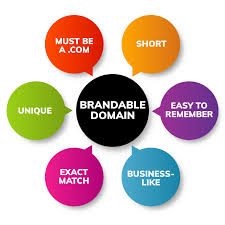
A good domain name is easy to remember. It should also sound good. It should be easy to spell and pronounce. This helps people share it. It also helps build a brand. Think of famous brands. Their names are often short and catchy. This makes them stick in people’s minds.
Length and Simplicity
Shorter domain names are usually better. They are easier to type. They are also easier to remember. Long, complex names can be hard to manage. They might be confusing for users. Simple names are often more desirable.
Top-Level Domain (TLD)com
The end of a domain name is called the TLD. The most common and often most valuable TLD is “.com”. Other TLDs exist, like “.org”, “.net”, or newer ones like “.ai” or “.tech”. However, “.com” domains are generally seen as the most trusted and valuable.
Traffic and Backlinks
If a domain already gets a lot of visitors, it’s worth more. This traffic shows that people are using the name. Backlinks are links from other websites to yours. A lot of good backlinks signal to search engines that your site is important. This can increase domain value.
Market Demand
Sometimes, a domain is valuable because many people want it. Certain industries or niche markets might have high demand for specific keywords. If many businesses are looking for a domain like “onlinelearning.com”, its value goes up. This is just like any other market.
Pronounceability and Spelling
Can you say the domain name easily? Is it easy to spell correctly? If people have to guess how to spell it, it can lose value. A domain like “easygifts.com” is better than “ezgiffts.biz”.
How Domain Value is Assessed
Assessing domain value involves looking at all these factors. Experts use different methods. They might compare it to recent sales. They might use automated tools. Or they might use their own experience.
My Own Domain Journey: A Tale of Two Names
I remember when I first got serious about building websites. I was on a tight budget. I bought a domain name that was okay. It had a keyword I liked. But it was a bit long. And it wasn’t the “.com” I really wanted. It was something like “bestwebsitedesignservicesonline.net”. It was descriptive, sure. But saying it out loud felt like a mouthful. I spent months trying to make it work. I wrote great content. I tried to get links. Still, it felt like a struggle.
Then, a few years later, I saw a chance to buy a shorter, “.com” domain. It was “webdesignpro.com”. It cost me more than my first domain. Much more. But as soon as I started using it, things changed. People remembered it. It was easy to tell friends about. My website traffic grew faster. My marketing efforts felt more effective. It was a lesson learned. The “better” domain wasn’t just about the letters. It was about how people interacted with it. It was about trust and ease. This taught me that domain valuation isn’t just numbers. It’s also about human connection and practicality.
The Mechanics of Domain Appraisal
Let’s dive deeper into how appraisals work. It’s not just a guess. There are systems in place.
Comparable Sales Analysis
This is a big one. Appraisers look at what similar domain names have sold for recently. If “carsforsale.com” sold for $100,000, then a domain like “trucks4u.com” might be valued based on that. They look at domain length, keywords, TLD, and age. This helps set a benchmark.
Keyword Analysis Tools
There are tools that analyze keyword search volume and competition. These tools can give an idea of how much search traffic a domain might attract. High search volume keywords in a domain name can significantly boost its value. Google Keyword Planner is one example. Other tools focus just on domain appraisal.
Traffic Data
If the domain already has traffic, this is a strong indicator of value. An appraiser might want to see Google Analytics data. They want to know the source of the traffic. Is it direct, search, or referral? Consistent, targeted traffic is a gold mine for domain value.
Age and Backlink Profile
Tools like Ahrefs or SEMrush can show a domain’s age and its backlink history. A domain with a long history and many high-quality backlinks from reputable sites is more valuable. These links are like votes of confidence from other websites.
Brandability Score
Some appraisal methods try to give a “brandability” score. This is subjective. It looks at how easy the name is to turn into a brand. Does it sound professional? Is it unique? Can it be trademarked?
Manual Appraisal by Experts
Many professional domain appraisers offer their services. They combine all the data. They use their experience and market knowledge. They look at the domain from a buyer’s perspective. They consider the potential for future growth.
Quick Domain Value Checklist
Memorability: Is it easy to remember?
Spelling: Is it easy to spell correctly?
Length: Is it short and to the point?
Keywords: Does it contain relevant search terms?
TLD: Is it a .com or another desirable extension?
Brand Potential: Can it be a strong brand name?
Real-World Context: Who Buys Domains and Why?
You see domains being sold all the time. But who are the buyers? And what are they looking for?
Entrepreneurs and Startups
New businesses often need a strong online presence. They look for domain names that match their business idea. A catchy, relevant domain can be crucial for their launch. They want to make a good first impression.
Established Companies
Larger companies might buy domains to protect their brand. They might buy typo versions of their name. Or they might buy domains related to new products or services they plan to launch. Sometimes they buy them just to keep them out of competitors’ hands.
Domain Investors
Some people buy domains as an investment. They hope the domain will become more valuable over time. They might hold onto it for years, waiting for the right buyer. This is called “domain flipping” if they sell it quickly after buying.
Businesses Expanding into New Markets
A company might buy a domain that is already popular in a new geographic area or industry. This can help them enter that market quickly. It gives them an instant online identity.
Non-Profits and Organizations
Charities and groups often need clear, easy-to-share domain names. They might acquire domains that help their cause or mission.
What This Means for Your Domain: Normal vs. Concerning Signs
Knowing your domain’s value is helpful. But when should you really pay attention?
Normal Signs of Value
A domain that is easy to say and spell.
A domain that uses common, relevant keywords.
A domain that is short and memorable.
A .com domain with a clean history.
A domain that gets some organic search traffic.
These are generally good signs. They mean your domain has potential. It might be worth more than you think.
Concerning Signs for Domain Value
A domain with hyphens or numbers. These are often less desirable.
A domain that is very long and hard to remember.
A domain that has been used for spam or malicious activity in the past. This is a major red flag.
A domain with a TLD that is not commonly recognized or trusted.
A domain that is easily misspelled.
These issues can significantly reduce a domain’s worth. They make it harder to market and use effectively.
Domain Appraisal: Myth vs. Reality
Myth
All .com domains are valuable.
Reality
Only relevant, memorable, and marketable .com domains hold significant value.
Myth
Domain age alone guarantees high value.
Reality
Age matters, but traffic, backlinks, and marketability are often more important.
Myth
You can get rich quick by buying domains.
Reality
Domain investing is speculative. It requires market knowledge and patience.
Simple Checks You Can Do Yourself
You don’t need to be an expert to get a rough idea. Here are some simple checks.
Check Recent Sales
Go to domain marketplaces like Sedo, GoDaddy Auctions, or NameBio. Search for domains similar to yours. See what they sold for. This is the best way to gauge market value. Look for sales in the last 6-12 months.
Use Online Appraisal Tools
Several websites offer free domain appraisal tools. These use algorithms to estimate value. Examples include EstiBot or GoDaddy Appraisal. They consider keywords, TLD, and length. Their estimates are not always perfect. But they can give you a starting point.
Evaluate Your Keywords
What keywords are in your domain? Do people search for these words often? Use tools like Google Trends or Google Keyword Planner. See if there is interest. High interest usually means higher potential value.
Assess Brandability
Say your domain name out loud. Ask friends what they think. Is it easy to understand? Does it sound professional? Can you imagine a logo for it? This helps you judge its branding potential.
Quick Scan: What Affects Domain Price?
- Primary Keyword: “RealEstate” is better than “MyHomeBiz”
- TLD: “.com” is almost always more valuable
- Length: “cars.com” is worth more than “buyusedcarsonlinefast.com”
- Age: Older domains often have more trust
- Traffic: Existing visitors increase value
- Brandability: Easy to remember and market
The Role of Domain Name Registrars and Marketplaces
Where you buy and sell domains matters. Registrars are where you register names. Marketplaces are where you trade them.
Registrars (e.g., GoDaddy, Namecheap)
These companies manage domain registration. They often have appraisal tools. They also host domain marketplaces. You can list your domain for sale through them. They handle the transaction.
Domain Marketplaces (e.g., Sedo, Flippa)
These platforms are specifically for buying and selling domains. They offer tools for valuation, listing, and secure transactions. They connect buyers and sellers worldwide. Many domain investors use these sites regularly.
Forums and Communities
Online forums dedicated to domain investing can be very helpful. You can ask for opinions on your domain’s value. You can learn from experienced investors. These communities offer insights you might not find elsewhere.
When to Seek Professional Appraisal
Not every domain needs a professional appraisal. But for high-value domains, it’s often worth it.
If You’re Selling a Premium Domain
If you believe your domain is worth thousands or tens of thousands of dollars, get a professional appraisal. This gives you a solid, defensible valuation. It helps you set a realistic asking price.
If You’re Buying a Significant Asset
If you’re planning to spend a lot of money on a domain, get it appraised. A professional can help you avoid overpaying. They can identify hidden risks or potential issues.
For Business Valuations or Legal Reasons
In cases of business mergers, acquisitions, or legal disputes, an official appraisal might be necessary. This provides an objective valuation for official purposes.
What to Expect from a Professional Appraiser
A good appraiser will provide a detailed report. It will explain their methodology. They will list the factors they considered. They will provide a valuation range. They should be transparent about their fees.
Quick Fixes and Tips for Improving Domain Value
While you can’t change the core name easily, you can improve its perceived value.
Develop a Strong Brand
Even with a good domain, a weak brand won’t help much. Create a professional logo and website. Build a consistent brand message. This makes the domain more attractive to buyers who want a ready-made brand.
Build Traffic and Authority
If your domain is not yet live, plan its launch. If it’s already live, work on SEO and content. Increase your website’s authority. More traffic and better search rankings make it more valuable.
Focus on User Experience
Make your website easy to use. Fast loading times and clear navigation are important. A good user experience signals a well-managed online asset.
Secure Social Media Handles
Try to get matching social media handles for your domain name. This creates a unified online presence. It adds to the overall brand value.
Domain Valuation: A Simple Flow
Step 1: Identify Keywords & TLD
Step 2: Check Age & History
Step 3: Assess Brandability & Memorability
Step 4: Look at Comparable Sales
Step 5: Use Online Appraisal Tools
Step 6: Consider Traffic & Authority
Step 7: Decide: DIY or Pro Appraisal?
Frequently Asked Questions About Domain Valuation
Is my domain name valuable if it’s not a .com?
Yes, some other TLDs can be valuable, especially newer ones like .ai or .io in tech fields. However, .com is still the most widely recognized and generally commands the highest value due to trust and familiarity.
How do I know if my domain name is easy to spell?
Say it out loud and spell it for a few different people. If they struggle to spell it correctly after hearing it once, it might be difficult to spell. Avoid unusual spellings or very similar-sounding words.
Can a domain with numbers be valuable?
Generally, domains with numbers are less valuable than those with words. They can be confusing (e.g., is it “4” or “four”?). However, some short, numerical domains, like 3-digit numbers, can be valuable for specific investment purposes.
What if my domain has hyphens?
Domains with hyphens are usually less desirable. They are harder to say and type. They can also be seen as less professional.
Most buyers prefer hyphen-free domains. This can lower a domain’s value.
How long does it take to get a domain appraisal?
DIY appraisals can take minutes to hours. Professional appraisals can take a few days to a week, depending on the appraiser’s workload and the depth of the report.
Should I always use the highest appraisal value?
No. Appraisal values are estimates. The real value is what a buyer is willing to pay.
Use appraisals as a guide, not a fixed price. Market demand is the ultimate factor.
What is domain appraisal and why is it important?
Domain appraisal is estimating a domain name’s worth. It’s important for selling, buying, or understanding your digital asset’s value. It helps in making informed decisions about your online presence.
Final Thoughts on Your Domain’s Worth
Figuring out your domain name’s value takes effort. It’s a blend of looking at facts and understanding trends. Think about how people use the internet. Easy-to-remember names with good keywords and a “.com” ending often do well. But don’t get discouraged if your domain isn’t perfect. Every domain has potential. By understanding the factors involved, you can get a clearer picture. This helps you make smart choices for your online assets. Your domain is a key part of your digital identity. Knowing its worth is a smart step.