Figuring out what a website name, or domain, is truly worth can feel like guessing in the dark. It’s frustrating when you’re trying to buy, sell, or just understand the value of your own piece of the internet. This guide breaks down how to appraise a domain name, making it clear and easy to grasp.
Understanding domain appraisal methods is key to valuing online assets accurately. This guide explores the various factors and techniques used to determine a domain’s worth, from traffic analysis to keyword research and brand potential. It aims to provide a clear path to estimating the true market value of any domain.
What Is Domain Appraisal?
Domain appraisal is the process of estimating the market value of a website name. Think of it like appraising a house. You look at its size, location, and features.
For a domain name, you look at things like its length, keywords, and how much traffic it gets.
This value isn’t set in stone. It changes based on what buyers are willing to pay. A good appraisal helps sellers set a fair price and helps buyers know if they are overpaying.
It’s a crucial step in any domain transaction.
Why Does Domain Appraisal Matter?
Knowing a domain’s value helps in many ways. If you’re selling, a good appraisal helps you get the best price. If you’re buying, it stops you from spending too much money.
It also helps you see the potential of a domain name.
Sometimes, a domain name can be worth a lot of money. This is especially true for short, memorable names or those with popular keywords. Proper appraisal helps unlock this hidden value.
The Core Factors in Domain Appraisal
Several things make a domain name more or less valuable. Let’s look at the main ones.
Keyword Richness
Domains that contain popular search terms often get higher values. For example, homeinsurance.com is likely worth more than mycoolwebsitename.net. This is because people often type these words into search engines.
Search engines like Google see these domains as relevant to those topics. This means they can attract visitors looking for specific products or services. The more people who search for a keyword, the more valuable a domain with that keyword becomes.
Domain Length and Simplicity
Shorter domain names are usually easier to remember and type. This makes them more attractive to buyers. A domain like cars.com is much more valuable than thebestnewandusedcarsforsaleonline.com.
People are busy. They don’t want to type long web addresses. Simple, short names stick in people’s minds.
They are also less likely to have typing errors. This ease of use adds to their value.
Memorability and Brandability
A domain name that is easy to recall and sounds like a strong brand is very valuable. Think of names like Apple or Google. Their domain names are simple and stick with you.
A brandable domain can grow with a business. It doesn’t limit the company to one specific product. This flexibility makes it a great long-term investment.
Buyers look for names that can represent a growing company.
Domain Extension (TLD)
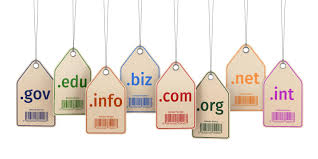
The ending of a domain name, like .com, .org, or .net, matters. The .com extension is the most common and trusted. It’s often seen as the most valuable.
Other extensions, like .co or .io, have gained popularity for certain niches. However, .com remains the gold standard for broad appeal and trust. New generic Top-Level Domains (gTLDs) like .store or .tech are still finding their place but are generally less valuable than .com.
Age of the Domain
Older domains often have more history. This history can include established backlinks and search engine authority. These are signals of trust and reliability to search engines.
An aged domain that has been used for a legitimate website might rank better faster. This saves a new owner time and effort. This built-in advantage can increase the domain’s price.
It shows a track record.
Traffic and Search Engine Ranking
A domain that already gets a lot of visitors is more valuable. This traffic can be direct, from people typing the URL, or from search engines.
High traffic means the domain already has an audience. This audience can be leveraged for various purposes. Websites with good search engine rankings for relevant keywords also signal value.
They are already popular.
Market Demand and Trends
The value of a domain can also depend on what’s popular right now. If a certain industry is booming, domains related to it might become more valuable.
For example, during the rise of cryptocurrencies, domain names related to crypto saw a huge spike in demand. Staying aware of market trends helps in appraising domains. What’s hot today might be cold tomorrow.
Domain Appraisal Checklist
Keywords: Does it contain popular search terms?
Length: Is it short and easy to remember?
Brandability: Does it sound like a strong brand?
Extension: Is it a .com or another strong TLD?
Age: Is it an older domain with history?
Traffic: Does it receive visitors already?
Demand: Is the industry it relates to trending?
Understanding Domain Valuation Methods
There are different ways to put a price on a domain. Each method looks at different aspects.
Comparable Sales Analysis
This is like checking recent sales of similar houses. You look at what similar domain names have sold for recently. This gives you a good idea of the current market value.
Websites that track domain sales can be helpful here. You’ll want to compare domains with similar keywords, length, and extensions. This method relies on having enough recent sales data to compare.
Revenue Generation Potential
Some domains are valuable because they can be used to create a profitable business. This is especially true for exact-match keyword domains. For example, buycarsonline.com could be used to build a car sales website.
You estimate how much money a business using that domain could make. This involves looking at industry profit margins and traffic potential. This method requires a good understanding of online business.
Cost to Replicate
This method looks at how much it would cost to build a similar domain and brand from scratch. This includes the cost of acquiring a good name, building a website, and marketing it.
It’s not just about buying the domain. It’s about the entire package. If it would cost $10,000 to build a similar online presence, the domain itself might be worth a portion of that.
This is a less common method for pure domain names.
Expert Appraisal Services
There are professionals who specialize in domain appraisal. They use their experience and tools to give an expert opinion on a domain’s value.
These services can be very accurate. They often have access to data that the average person doesn’t. However, they usually come with a fee.
For very high-value domains, this fee can be worth it.
Quick Valuation Methods
Method: Comparable Sales
What it is: Look at recent sales of similar domains.
Method: Revenue Potential
What it is: Estimate money the domain could make.
Method: Cost to Replicate
What it is: How much to build it from scratch.
Method: Expert Appraisal
What it is: Pay a professional for their opinion.
Personal Experience: The Unexpected Value of a Short Name
I remember a client once. They had a domain name that seemed pretty ordinary. It was just a few letters, like zyx.com.
At the time, it didn’t have much traffic. It wasn’t packed with obvious keywords.
I thought it was a tough sell. It didn’t fit the usual appraisal boxes. But I put it on a domain marketplace anyway.
Weeks went by. Then, one day, I got an offer. It was much higher than I expected.
The buyer was a startup looking for a short, unique name for their new tech product. They wanted something easy to remember for their global brand. It showed me that sometimes, simplicity and brandability can trump everything else.
That single sale taught me a valuable lesson about valuing domains.
Deep Dive into Specific Appraisal Factors
Let’s dig a bit deeper into some of the more complex aspects.
The Power of .COM
Why is .com king? It’s the original domain extension. For decades, it was the only option for many.
This created a strong association in people’s minds: website = .com.
When people think of a website, they automatically add .com. If you tell someone “Go to Example dot com,” they won’t likely try “Example dot org” first. This built-in trust and familiarity makes .com domains significantly more valuable.
Imagine trying to launch a major brand on .xyz – it’s a much harder sell.
Understanding Search Engine Authority (SEO Value)
Search engines like Google look at many signals to rank websites. Domains with a long history of good content and backlinks can have built-in authority. This is often called “domain authority” or “SEO value.”
A domain that has been used for a reputable site for years, with many other reputable sites linking to it, starts with an advantage. It’s like inheriting a well-respected name in a community. This makes it easier for new content on that domain to rank well.
Buyers will pay more for this head start.
Typo Domains and Their Niche Value
Typo domains are names that people might type incorrectly. For example, if “Facebook” is misspelled as “Faceboook.” These domains can attract accidental traffic.
While not ideal for building a brand, some people buy typo domains as a niche investment. They might monetize them with ads or redirect the traffic to their main site. Their value is usually lower than perfect domains but can be significant for popular brands.
One-Word Domains: The Pinnacle
One-word domains are the rarest and often most valuable. Think of names like “Google,” “Amazon,” or “Tesla.” These are incredibly short, memorable, and often powerful brand names.
The reason they are so valuable is their extreme scarcity. There are only so many single English words available as .com domains. If a word is also a strong brandable term, its value can skyrocket.
They are the ultimate digital real estate.
Industry Trends and Their Impact
The world changes fast. New technologies and interests emerge. Domains related to these new trends can become incredibly valuable very quickly.
For instance, when AI became a huge topic, domains with “AI” or “artificial intelligence” in them saw massive interest. Similarly, domains related to sustainable living or remote work have seen increased demand recently. Staying ahead of trends is key to spotting these opportunities.
Contrast: Normal vs. Concerning Domain Value
Normal:
- Short, memorable .com
- Relevant keywords
- Brandable, easy to pronounce
- Some existing traffic
- Good age and backlink profile
Concerning:
- Very long, complex name
- Rare or obscure keywords
- Hard to spell or pronounce
- No traffic, no history
- Suspect TLDs like .biz or .info (unless niche)
Real-World Context: Where Appraisal Fits In
Domain appraisal isn’t just an academic exercise. It happens in real situations every day.
Buying a Domain for a New Business
When someone starts a new company, they need a website address. They might search for the perfect name. If their ideal name is already taken, they might try to buy it from the owner.
This is where appraisal comes in. The owner needs to know what to ask for.
Selling an Existing Website
Sometimes, people want to sell a whole website, including the domain name. A proper appraisal helps them set a price for the domain as part of the sale. It ensures they don’t undervalue this key asset.
Investing in Domain Names
Some people treat domain names like investments. They buy them hoping they will increase in value over time. These “domain investors” need to appraise their portfolio regularly.
They need to know which domains are likely to sell and for how much.
Mergers and Acquisitions
When companies merge, their digital assets, including domain names, are evaluated. An accurate appraisal helps in determining the total value of the deal. It ensures all assets are accounted for fairly.
Appraisal in Action: Quick Scan
| Scenario | Appraisal Focus |
|---|---|
| Starting a New Business | Brandability, keyword relevance, .com availability |
| Selling a Website | Traffic, SEO authority, established brand potential |
| Domain Investing | Market trends, scarcity, short keywords, .com value |
| Company Merger | Strategic value, brand protection, traffic volume |
What This Means for You: When to Worry and When It’s Fine
Not all domain names are created equal. Understanding this helps you set expectations.
When a Domain Name Might Be Overvalued
Sometimes, owners get attached to their domain names. They might think it’s worth more than the market says. This happens if they don’t consider comparable sales or current demand.
A domain with a very obscure keyword or a less popular extension (.info, .biz) might not command a high price, even if the owner spent a lot of time developing the website. Buyers are often looking for strategic value, not just an existing website.
When a Domain Name Might Be Undervalued
On the flip side, a domain can be undervalued. This often happens with short, brandable names that don’t have active websites on them. The owner might not realize the potential for a new business to build a strong brand around it.
Domains with strong keyword potential that are currently used for low-traffic sites can also be undervalued. A savvy buyer can see the hidden potential and acquire it for a bargain.
Simple Checks for Buyers and Sellers
For Sellers: Research recent sales of similar domains. Look at traffic and keyword metrics. Be realistic about the market.
For Buyers: Don’t fall in love with a name before checking its history and traffic. Understand what makes a domain valuable beyond just its words.
Observational Flow: Assessing Domain Value
Step 1: Identify the core keywords and TLD (.com?).
Step 2: Check domain age and backlink profile using SEO tools.
Step 3: Estimate current traffic using available tools or by asking the seller.
Step 4: Research recent sales of comparable domains.
Step 5: Consider brandability and future market trends.
Step 6: Combine all factors for an estimated value range.
Quick Fixes & Tips for Better Appraisals
Here are some actionable tips to improve your appraisal skills.
Use Online Appraisal Tools Wisely
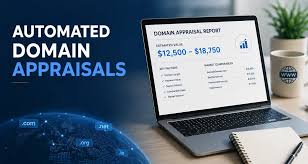
There are many free and paid online tools that estimate domain value. Tools like GoDaddy Appraisal or EstiBot can give you a starting point. However, treat their numbers as estimates, not gospel.
These tools often rely on algorithms. They might not fully capture the subjective value of brandability or unique market demand. Use them to gather data, then add your own judgment.
Look at Competitor Domains
If you’re appraising a domain for a specific industry, check what domain names competitors are using. What are their website addresses? How much traffic do they seem to get?
This competitive analysis can reveal what’s considered standard or premium in that niche. It helps you understand the market landscape and the potential value of a domain within it.
Consider the “Story” of the Domain
Sometimes, a domain name has a great story. It might be a word with a lot of meaning, or it might have been used in a historically significant way. This narrative can add intangible value.
Think about names that evoke strong emotions or ideas. For example, a domain related to a beloved historical event or a universally understood concept might be worth more than its literal keywords suggest.
Don’t Forget About Trademark Issues
A domain name that infringes on an existing trademark can be a legal minefield. It could be seized. This drastically reduces its value, even if it looks good on paper.
Always do a quick trademark search before making a serious offer. Protecting yourself from legal trouble is part of a smart appraisal. This is a critical trustworthiness factor.
Appraisal Tips: Stacked Micro-Sections
Tip: Online Tools
Use them for data, not final decisions.
Tip: Competitor Analysis
See what others in the industry are using.
Tip: Domain Story
Does it have a compelling narrative?
Tip: Trademark Check
Avoid legal problems; it kills value.
Frequently Asked Questions About Domain Appraisal
How can I find out if a domain name is for sale?
You can often check the domain’s WHOIS information to see if contact details are public. Many parked domains also display a “for sale” page with contact information or a link to a marketplace listing.
What is the difference between a domain name and a website?
A domain name is like the address of a house (e.g., myhouse.com). A website is the actual house itself, built on that address, containing content and features.
Are newer domain extensions (like .io, .tech) valuable?
They can be valuable for specific niches or tech-savvy audiences. However, they generally don’t have the broad appeal or trust of a .com extension, so their overall market value is usually lower.
How do I know if a domain name is truly brandable?
A brandable domain is easy to say, spell, and remember. It sounds good and can represent a wide range of products or services without being too specific. It should also be unique and not sound like existing brands.
Can I appraise a domain name with no website on it?
Yes, you can. You would focus more on factors like keyword value, length, TLD, age, and market trends. The absence of a website means you’re valuing the name itself, not an existing online business.
What should I do if a domain name I want is very expensive?
First, verify its appraised value using multiple methods. If it’s truly valuable, consider if it’s within your budget. You might need to negotiate, look for alternatives, or decide if the investment makes sense for your goals.
Does a domain’s privacy setting affect its appraisal?
Domain privacy hides the owner’s personal information. It doesn’t directly affect the domain’s inherent value (keywords, length, etc.). However, if you’re trying to contact the owner to buy it, privacy can make it harder, potentially slowing down the process.
Conclusion
Appraising a domain name is a mix of art and science. By understanding the key factors—keywords, length, TLD, age, traffic, and market demand—you can get a much clearer picture of its worth. Use the methods discussed, do your research, and always consider the real-world market.
A well-appraised domain is a valuable asset.