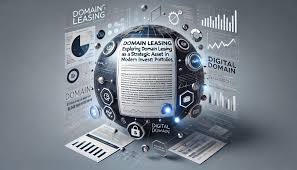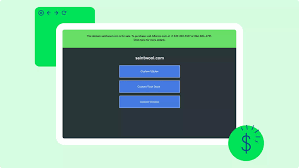
Domain parking is the practice of registering an internet domain name that is not currently in use. The domain is pointed to a temporary holding page. This page often shows advertisements. Revenue is generated when visitors click on these ads. It’s a way to monetize unused domain names. People do this hoping to sell the domain later or earn ad income.
What Is Domain Parking?
Domain parking is really about holding onto a web address. Think of it like owning a plot of land. You own the land, but you haven’t built anything on it yet.
With a domain name, you own the address (like yourhouse.com). But you aren’t using it for a website or email yet.
When you park a domain, you tell the internet where to send people who type it in. Instead of a blank screen or an error, they see a special page. This page usually belongs to a domain parking service.
These services are good at showing ads. They work with ad companies. When someone visits your parked domain page, they see ads.
If someone clicks on an ad, you might earn a little bit of money. This is called pay-per-click (PPC) advertising. The amount you earn is usually very small per click.
But if you have many parked domains, and many visitors, it can add up. This is the main way people try to make income from parking domains.
Why would someone do this? Sometimes, people buy domains they think will become valuable. They might have a great idea for a business later.
Or they might think someone else will want to buy that specific name. Buying and selling domains is called domain flipping. Parking can be part of that.
It keeps the domain active. It also provides a way to make a little money while you wait.
Other times, people might have bought a domain name by accident. Or they have a list of domain names they bought. They don’t want to build a website for every single one.
Parking lets them earn something from those names without much effort. It’s a way to monetize what would otherwise be inactive digital property.
How Do People Earn Money From Domain Parking?
The main way to earn money is through advertisements on the parked page. Domain parking services connect your parked domain to ad networks. Google AdSense is a popular one.
Other services have their own ad networks. When visitors land on your parked page, they see ads related to the domain name or just general ads.
For example, if you own the domain “bestdogfood.com” and park it, the page might show ads for dog food brands. If someone interested in dog food clicks on one of those ads, you get a small payment. This is the core concept.
It requires traffic to the parked domain to generate clicks.
Another way people aim to profit is by selling the domain name. When a domain is parked, it’s often listed for sale. The parking page might have a button or link that says “This domain is for sale.” Potential buyers can click on it.
They can then make an offer for the domain name.
If you manage to sell the domain for more than you paid for it, you make a profit. This is domain flipping. Domain parking can make the domain look more legitimate and active.
This might make it more attractive to a buyer. It also shows that the domain has some interest, evidenced by visitors seeing the ads.
Some parking services offer different ways to earn. Some might show a list of related domain names for sale. If a visitor buys one of those, you might get a commission.
Others might have a “buy now” price displayed. If someone pays that price, the sale goes through.
The amount of money earned varies a lot. It depends on several things. The popularity of the domain name is key.
A domain like “cars.com” will get way more traffic than “janesuniquegifts.net.” The quality of the ads shown also matters. Some services are better at showing relevant ads. Finally, the number of visitors is crucial.
More visitors mean more chances for ad clicks.
Personal Experience: The Accidental Domain Owner
I remember a few years ago. I was at a conference, and someone was talking about domain names. They said how easy it was to register almost any name.
My mind started racing. I thought of a funny slogan I’d come up with for a silly idea. I rushed back to my hotel room.
I went to a domain registrar website. I typed in the slogan as a domain name: “funnyhatsforcats.com.”
To my surprise, it was available! I bought it on impulse. I paid about $12 for the first year.
I had no real plan for it. It was just a joke domain. A few weeks went by.
I completely forgot about it. Then, I got an email from my domain registrar. It was about renewing the domain.
I thought, “Do I really need this?”
I decided to look into what I could do with it. That’s when I first learned about domain parking. I found a free service that would let me park the domain.
I pointed “funnyhatsforcats.com” to their parking page. It was super simple to set up. The page showed ads for pet supplies and costumes.
I didn’t expect much. It was just a joke domain, after all.
For months, I earned maybe 50 cents a month. It was barely anything. But it was still money from a domain I had bought on a whim.
I started thinking. What if I had bought more names? What if I had better names?
I started noticing other parked domains when I typed in random web addresses. Some looked like they were making more money. They had more ads or more professional-looking pages.
It showed me that domain parking isn’t magic. It takes the right domain name and some smart choices. My accidental domain taught me a lot.
It showed me that even a silly name could earn something. But it also showed me that you probably won’t get rich quick this way. It’s more about a slow, steady trickle if you get it right.
Types of Domain Parking Services
There are a few main ways to park your domains. You can use a general domain registrar’s parking service. Many places where you buy domains offer a free parking option.
These are usually very basic. They might show generic ads. They don’t offer much customization.
But they are easy to use.
Then there are specialized domain parking companies. These companies focus solely on helping you make money from parked domains. They often have more advanced features.
They might offer better ad targeting. They can sometimes negotiate better rates with advertisers. They might also provide analytics so you can see how many visitors you get and where your clicks come from.
Some popular parking services include Sedo, GoDaddy Aftermarket (which also has parking), and NameJet. Each has its own way of doing things. Some might take a larger cut of your earnings.
Others might have minimum payout amounts. It’s good to compare them before you pick one.
You can also set up your own parking page. This takes more technical skill. You would need a web hosting account.
You would create a simple webpage. Then you would manually add ad code from a network like Google AdSense. This gives you full control.
You can design the page exactly how you want. You can choose the ads you show. But it also means more work for you.
For most people, using a dedicated domain parking service is the easiest route. They handle the technical side. They connect you to advertisers.
They make it simple to get started. You just need to choose a service that fits your needs and budget.
Consider what you want from a parking service. Do you just want to keep a domain active? A free, basic service might be fine.
Do you want to try and earn as much as possible? Look for services that offer better ad management and analytics. Always read the terms of service.
Understand how they share revenue and what their fees are.
Quick Scan: Domain Parking vs. Building a Website
Domain Parking
- Pros: Easy to set up. Low effort. Can earn passive income. Good for monetizing unused names.
- Cons: Low earnings per domain. Requires traffic. May not sell domain.
- Goal: Quick monetization or holding for sale.
Building a Website
- Pros: Higher potential income. Brand building. Control over content.
- Cons: Requires significant time and effort. Ongoing costs.
- Goal: Long-term business or online presence.
Real-World Context: Why Names Matter
The success of domain parking often hinges on the domain name itself. Think about it: if you have a domain name that people are actively searching for, you’re more likely to get visitors. A name that is clear, memorable, and relevant to a popular topic is gold.
For example, a domain like “traveldeals.com” is very straightforward. People looking for travel deals might type this directly into their browser. They might also search for it on Google.
If this domain is parked, those visitors will see ads for travel agencies, airlines, or hotels. This is a high-value scenario.
On the other hand, a domain like “ksj39fhd.net” is unlikely to get any direct traffic. No one will remember it. No one will guess it.
Unless it’s part of a specific marketing campaign or a typo of a popular site, it’s unlikely to attract visitors naturally.
This is why domain investors spend time and money finding good domain names. They look for names that are:
- Short and easy to spell.
- Relevant to a popular industry.
- Brandable and memorable.
- Free of hyphens or numbers.
The context is often about anticipation. You park a domain because you anticipate that someone will eventually want it. This could be a business that needs that specific online address.
Or it could be that the search term itself becomes popular.
Consider the rise of new technologies or trends. If a new social media platform becomes huge, domains related to it might skyrocket in value. Someone who parked “newwebsocial.com” might suddenly get offers.
This is the hopeful side of domain parking. You’re betting on future demand for a specific digital asset.
What This Means for You: When Is It Worth It?
So, should you start parking domains? It really depends on your goals and expectations. If you’re looking for a way to make a lot of money quickly, domain parking is probably not for you.
The earnings per visitor are very small. You need a massive amount of traffic to see significant income.
However, if you have a few domain names that you aren’t using for websites, parking them is a smart move. It’s a way to get them to earn something for you with almost no effort. It’s like putting unused items in your attic to good use.
You might not sell them for a fortune, but they’re not just taking up space.
When is it normal to park a domain?
- You bought a domain with a future business idea in mind.
- You are waiting for the right time to develop a website.
- You acquired a domain name as part of a larger purchase.
- You are experimenting with domain names and want to see which ones get traffic.
When should you worry or rethink?
- You are spending a lot of money on domain registrations with no plan.
- You are expecting thousands of dollars a month from a few generic domain names.
- Your parked domains are not getting any visitors at all.
Simple checks you can do:
- Check your domain traffic. Most parking services offer analytics. See how many people visit. If it’s zero, the domain isn’t attracting anyone.
- Research domain value. Use online appraisal tools.
See what similar names are selling for.
- Look at renewal costs. Make sure the potential earnings or sale price will be much higher than the yearly renewal fee.
Domain parking is best seen as a low-effort, low-reward strategy. It can be a small source of passive income. Or it can be a way to keep a domain active while you explore its potential sale.
It’s not a replacement for a full-time job or a serious business venture for most people.
Quick Fixes & Tips for Domain Parking
Smart Parking Practices
Choose the Right Parking Service: Compare features and revenue share. Some offer better ad options.
Optimize Ad Placement: If your service allows, ensure ads are visible and relevant.
Monitor Analytics: Track traffic and clicks. See which domains perform best.
Keep Up with Renewals: Don’t let valuable domains expire. Balance cost vs. potential.
Be Patient: Earnings are often small and grow slowly.
Domain Selection for Parking
Keywords are Key: Aim for names that are common search terms.
Memorability Matters: Easy to remember names get more direct type-ins.
Industry Relevance: Names tied to large industries can attract relevant ads.
Avoid “Low-Value” Names: Generic, misspelled, or very long names usually don’t perform well.
Frequent Questions About Domain Parking
Is domain parking legal?
Yes, domain parking itself is completely legal. It’s a standard practice. You own the domain name.
You have the right to point it to any page you choose, including an advertising page. This is as long as you are not infringing on trademarks or engaging in illegal activities.
How much money can I really make parking domains?
This varies a lot. For most people, earnings are very low, often pennies or a few dollars per month per domain. If you have a highly desirable domain name with a lot of traffic, you might make more.
But it’s rare to make a living wage from just parking domains.
Do I need to pay to park my domain?
Many domain registrars and parking services offer free domain parking. You still have to pay the annual fee to renew your domain name registration. The parking service itself is often free.
Some premium parking services might have fees or take a larger percentage of your ad revenue.
What’s the difference between domain parking and a website?
A parked domain shows a temporary page with ads. It’s not a fully functional website. A website has unique content, pages, and features.
It’s built to serve a specific purpose, like selling products or providing information. Parking is for monetization of an unused name.
Can I sell a parked domain?
Yes, absolutely. Many domain parking pages include a “for sale” notice. This lets potential buyers know the domain is available.
You can also list it on domain marketplaces. Parking can make a domain look more active and appealing to buyers.
What kind of ads appear on parked domains?
The ads vary depending on the parking service and the domain name. They can be general ads for popular products or services. They can also be targeted ads related to the domain’s keywords.
For instance, a domain about “running shoes” might show ads for sports retailers.
How do I choose a good domain name to park?
Look for names that are short, memorable, and easy to spell. They should be relevant to popular topics or industries. Think about what people might search for.
Names that are common keywords or brandable are often better for getting traffic and potential buyers.
Conclusion
Domain parking offers a simple way to interact with your unused domain names. It can provide a small stream of income. It can also keep a domain active in case someone wants to buy it.
It’s important to have realistic expectations. This is not a get-rich-quick scheme. But for those with extra domain names, it’s a passive strategy worth considering.
Understanding how it works helps you make smart choices.