Brandable domain valuation involves assessing factors like name quality, market demand, sales history, and growth potential to determine a fair price. It’s more art than science, blending objective data with market intuition.
Understanding What Makes a Domain Brandable
A brandable domain name is more than just a web address. It’s a core part of a brand’s identity. Think about names like Apple.com or Google.com. They are short, easy to say, and instantly recognizable. These names don’t necessarily describe what the company does. Instead, they create a feeling or an idea. This is the power of brandable domains.
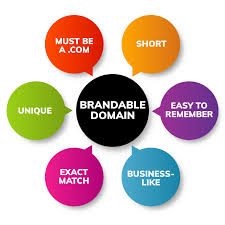
What makes a domain name truly brandable? Several things come into play. First, memorability is key. Can people easily recall it after hearing it once? Is it easy to spell and pronounce? A domain that’s hard to spell often leads to lost traffic. Next, think about length. Shorter names are almost always better. They are quicker to type and easier to remember. Names under 10 letters are often highly sought after.
Then there’s the sound and feel of the name. Does it sound professional? Does it evoke positive feelings? Some names just sound modern and cool. Others might sound dated or awkward. This is where subjective taste comes in. However, general trends show that certain sounds and styles are more popular.
A domain name that is unique also stands out. It shouldn’t be too similar to existing brands. This avoids confusion and potential legal issues. A unique name helps a brand carve out its own space. Finally, consider its versatility. Can the name grow with the business? If a company expands into new areas, will the domain name still fit? A versatile name provides flexibility for the future.
The Art of Domain Valuation: More Than Just the Name
Valuing a domain name is complex. It’s not like valuing a house with a clear square footage and market comps. For brandable domains, value is often about future potential. It’s about what a business might pay to acquire that perfect identity.
One of the biggest factors is market demand. Is there a strong need for domain names like this? If many businesses are looking for short, catchy names in a specific niche, those names will be more valuable. For example, a domain like “AIInnovate.com” might be very valuable today because AI is a hot industry. In five years, maybe a different trend will emerge, changing demand.
Sales history of comparable domains is another crucial piece of data. When similar domain names sell, they set a benchmark. Finding these sales can be tricky. You need to look at sales of one-word domains, two-word brandable domains, or domains with similar word combinations. Resources like NameBio.com can help track these past sales. However, remember that each sale is unique. The buyer, the seller, and the circumstances all play a role.
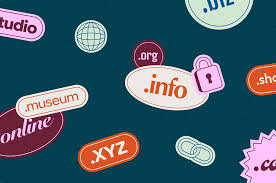
The extension of the domain also matters. While .com is king, other extensions are gaining traction. .io, .ai, .co, and new gTLDs (like .tech, .store, .online) can have significant value, especially in specific industries. A .com domain is usually the most valuable, but a short, high-quality name on a popular new extension can still command a good price.
Common Valuation Methods and What They Tell Us
When trying to put a number on a brandable domain, several methods come into play. Each method offers a different perspective.
One common approach is comparable sales analysis. This is like looking at recent sales of similar houses in your neighborhood to estimate your home’s value. For domains, you search for recent sales of names with similar characteristics. This includes length, word count, type of words (e.g., nouns, adjectives), and the domain extension. If a one-word .com sold for $5,000 last month, and your one-word .com has similar appeal, it might be worth in that ballpark. However, finding truly comparable sales can be hard. No two domain names are exactly alike.
Another method is keyword research and traffic potential. While brandable domains aren’t always keyword-rich, sometimes they overlap. If a domain name also happens to be a popular search term, it can add value. Tools like Google Keyword Planner can show search volume for terms. A domain that attracts organic traffic because it’s a good keyword can be more valuable than one that relies solely on direct type-ins or branding. However, the primary goal of a brandable domain is identity, not search ranking. So, this is often a secondary factor.
Industry trends and market sentiment are also vital. What’s hot right now? Are investors or companies actively buying domains in certain sectors? If there’s a surge of interest in, say, renewable energy, domains related to that sector will likely see increased demand and higher valuations. This is more about predicting future value based on current market buzz.
Finally, there’s appraisal services. Some companies offer professional domain appraisals. These services use proprietary software and human expertise to estimate a domain’s worth. They often look at a wide range of data points, including sales history, keyword data, and market trends. While these can provide a helpful estimate, they are not always perfect. They can give a good starting point, but it’s wise to do your own research too.
Experience: The Time I Overpaid for a Domain Name
I remember one time, late in the evening, scrolling through domain listings. I found a name that just clicked. It was a single, invented word. It sounded sleek, modern, and totally unique. I could already picture it on a cool app or a startup’s website. I got so excited, I didn’t do enough research. I saw a couple of similar-sounding, but much less appealing, domains listed for prices around $1,500. I thought, “This is it! This is the one that’s going to be huge.”
I offered $2,000 for it. The seller accepted almost immediately. I felt a rush of triumph. I had secured this amazing digital asset! I spent the next few weeks building a landing page, dreaming of the offers that would pour in. But the offers never came. I tried listing it for sale, and the highest I got was $500. I realized then that my excitement had blinded me to the realities of the market. The invented word, while sounding good to me, had no inherent meaning or search appeal. It wasn’t a real word that people were searching for. And there were no comparable sales of similar invented words that fetched high prices. I had paid for my own enthusiasm, not for the domain’s actual market value. It was a hard lesson in separating emotion from objective valuation.
Key Brandable Domain Traits
Short Length: Aim for 1-2 words, under 10 letters.
Easy Pronunciation: Say it out loud. Is it smooth?
Memorable: Sticks in the mind easily.
Unique: Stands out from the crowd.
Positive Connotation: Evokes good feelings.
Versatile: Fits various industries or future growth.
The Nuances of Different Domain Extensions
The extension of a domain name, also known as the Top-Level Domain (TLD), plays a big role in its perceived value. For a long time, .com was the undisputed champion. It still holds the most weight for most brandable domains.
Why is .com so dominant? It’s the original, the most recognized, and often the default choice for many users. When people type in a web address from memory, they often assume it ends in .com. A strong .com domain can give a brand instant credibility. For a brandable domain, a .com extension is usually the most valuable. Names like “Verve.com” or “Apex.com” are highly prized because they are short, meaningful, and have the coveted .com extension.
However, the landscape is changing. New generic TLDs (gTLDs) have emerged, offering more choices. Some of these have become very popular and valuable in specific niches. For example, .ai is highly sought after by artificial intelligence companies. .io is popular with tech startups. .co is seen as a good alternative to .com, especially for startups and those looking for a more modern feel.
When valuing a brandable domain with a non-.com extension, consider its relevance to a specific industry or trend. A name like “CryptoMint.io” is probably more valuable to a cryptocurrency business than “CryptoMint.com” might be if .com is already taken by a less relevant entity. The key is that the extension should make sense for the brand and its target audience. A domain like “MyAwesomeCar.online” might be great for an auto blog. But if the intended use is a serious car dealership, it might lack the gravitas of a .com.
The Role of Word Choice: Real Words vs. Invented Words
The specific words used in a domain name also impact its valuation. There are generally two types of brandable domains: those using real words and those using invented or made-up words.
Domain names made from real words often have an advantage. If the word itself is positive, common, or has a good meaning, it adds inherent value. Words like “Bloom,” “Vivid,” “Zenith,” or “Pinnacle” are appealing because they carry positive connotations. They are also easy to understand and remember. For instance, “Bloom.com” could be great for a gardening company, a fertility clinic, or a personal development coach. Its meaning is readily apparent.
Invented words can be highly brandable, but they come with their own challenges. Think of names like “Kodak” or “Xerox.” These were invented words that became famous brands. An invented word domain can be incredibly unique, ensuring no one else has a similar name. It allows a brand to own a piece of linguistic real estate entirely. However, invented words can be harder to spell, pronounce, and remember. They don’t have an inherent meaning that users can grasp immediately. Their value comes purely from the branding and marketing effort invested in them.
When valuing an invented word domain, consider how easy it is to say and spell. Does it sound like a real word? Does it roll off the tongue? “Zorp.com” might be short and unique, but it might not be as appealing as “Klara.com,” which sounds more like a name and is easier to pronounce. The branding potential is higher for invented words if they are crafted carefully.
Assessing the Competitive Landscape
Understanding the competition is vital when valuing a brandable domain. What are other businesses in the same or similar spaces doing? How are they branding themselves?
If a particular industry is crowded with established players using generic or uninspired domain names, a strong brandable domain can be a significant competitive advantage. For example, if many real estate agents are using long, keyword-stuffed .net or .org domains, a short, catchy .com like “UrbanKey.com” would stand out immensely. It would convey professionalism and a modern approach.
Consider the quality of existing brands. If competitors have weak brands or poor online presences, a well-chosen domain name can help a new entrant capture attention quickly. Conversely, if the space is dominated by very strong, well-established brands with memorable domains, it might be harder for a new domain to differentiate itself unless it offers something truly unique or addresses a gap.
This also ties into market saturation. If a specific word or concept is already heavily used in domain names within an industry, a new domain using that word might be less valuable. For instance, if there are hundreds of “GreenEnergy” or “EcoHome” variations already registered, a new domain with that theme might not be as exciting to buyers.
Personal Experience: The Domain That Almost Got Away
I was helping a friend look for a domain name for her new consulting business. She wanted something professional but also approachable. We searched for hours. Many names were taken. Others were too generic. She was getting frustrated. Then, I stumbled upon “CatalystPath.com.” It was listed for sale by a broker, priced at $5,000. I thought it was a bit high, but the name felt right. It spoke of guiding people and creating change.
My friend hesitated. $5,000 felt like a lot of money for a domain. We looked at other options. We saw shorter, one-word domains that were similar in price, but they didn’t have the same sense of direction or purpose. We saw longer, more descriptive names for less money, but they felt clunky. The broker mentioned that a few other people had expressed interest. That’s when the fear of missing out kicked in. We decided to go for it. My friend took a deep breath and approved the purchase. Looking back, while it was an investment, that domain name has served her incredibly well. It’s distinctive, relevant, and has helped her build a strong, professional brand identity. It was worth every penny because it perfectly matched her business vision.
Domain Valuation Checklist
- Name Quality: Short, memorable, easy to spell/pronounce?
- Extension: Is it .com, .io, .ai, or another popular TLD?
- Word Type: Real word, invented word, or two words?
- Meaning/Connotation: Positive, negative, or neutral?
- Industry Relevance: Does it fit a growing market?
- Competitor Domains: How does it stack up against others?
- Sales Data: Are there comparable sales for similar names?
- Development Potential: Can a brand be built around it?
The Impact of Domain Age and History
Domain age and history can sometimes influence value, though this is often less critical for brandable domains compared to exact-match keyword domains. An older domain might have some perceived authority. However, for brandable names, the focus is more on the quality of the name itself and its potential for building a new brand.
A domain that has a clean history is preferable. If a domain was previously used for spamming, illegal activities, or had a negative reputation, it can be a liability. This history can sometimes be checked through domain archive sites or by searching past content associated with the domain. A domain with no prior history is often seen as a clean slate, which is good for a new brand.
Understanding Buyer Motivation
When valuing a domain, it’s essential to consider who the likely buyer might be and what motivates them. Different buyers will pay for different aspects of a domain.
A startup founder might pay a premium for a brandable domain that perfectly encapsulates their vision. They see it as the foundation of their company identity. They might be willing to pay more for a name that feels “perfect” and that they can build a strong brand around.
An investor is looking for a domain that they believe will appreciate in value over time. They might focus more on trends, short length, .com extension, and the potential for a quick flip or a higher sale price in the future. They might be less attached to the specific meaning and more to its marketability.
A larger corporation might buy a domain to protect their brand, prevent competitors from acquiring it, or to launch a new product or service. They often have larger budgets and may pay significantly more to secure a desirable name, especially if it aligns with a strategic initiative.
Understanding these different buyer motivations helps gauge what a domain might realistically sell for. A name that appeals to a wide range of potential buyers will generally be more valuable.
The “Brandable” Factor: Subjectivity Meets Objective Data
The term “brandable” itself is subjective. What one person finds brandable, another might not. However, there are objective qualities that contribute to brandability.
Pronounceability: If people can’t say it, they can’t share it.
Memorability: Does it stick in your head?
Simplicity: Is it easy to type and understand?
Uniqueness: Does it sound distinct?
Positive Associations: Does it create good feelings?
When you combine these subjective elements with objective data like domain extension popularity, sales trends, and keyword search volume (where applicable), you get a more rounded valuation. It’s like looking at a piece of art. You have the objective measures (size, medium, artist’s reputation) and the subjective reaction (how it makes you feel, its aesthetic appeal).
When to Worry: Red Flags in Domain Valuation
Not all brandable domains are created equal. Some can carry hidden risks or have fundamental flaws that lower their value.
Likelihood of Trademark Issues: Is the name too close to an existing trademark? This is a major red flag. Buying a domain that infringes on a trademark can lead to legal battles and the loss of the domain. Always do a quick trademark search if you’re unsure.
Difficult to Spell or Pronounce: If the name is awkward to say or spell, it will hinder brand growth. Users will make typos, send traffic elsewhere, or simply forget the name.
Negative Connotations: Does the word or phrase have any negative meanings in other languages or cultures? This can be a costly oversight.
Overly Generic or Niche: A domain that is too generic might not stand out. One that is too niche might have a very limited buyer pool. Finding the sweet spot is key.
Poor Sales History of Similar Names: If comparable domain sales show low prices or no sales at all, it’s a sign that names like yours are not in high demand.
Quick Valuation Guide: What’s Your Domain Worth?
Excellent (Premium 4-5 Figures+): Short, one-word .com, highly memorable, positive meaning, strong demand in a hot industry.
Good (3-4 Figures): Two-word .com, clear meaning, easy to remember, good demand.
Average (Low 3 Figures – $100s): Longer .com, common phrases, or good names on less premium extensions (.co, .io).
Below Average (Under $100): Generic names, awkward spellings, less desirable extensions, or names with little market appeal.
The Practical Side: How to Approach Selling
If you own a brandable domain and want to sell it, setting the right price is crucial. Overpricing can deter buyers, while underpricing leaves money on the table.
Start by researching recent comparable sales. Use sites like NameBio.com to find out what similar domains have sold for. Look at the extension, the number of words, and the type of words. Also, consider the buyer’s perspective. What problem does your domain solve for them? Does it offer a clear benefit?
You can list your domain on aftermarket platforms like Sedo, Afternic, or GoDaddy Auctions. For premium domains, you might consider engaging with a domain broker. Brokers have industry connections and can help you find the right buyer and negotiate a better price, though they take a commission.
Be prepared to justify your price. Highlight the strengths of your domain: its length, memorability, potential use cases, and any positive market trends. The more effectively you can communicate its value, the higher the chance of a successful sale.
Real-World Context: Domains for Emerging Technologies
The rise of new technologies constantly creates demand for relevant brandable domains. Think about the current focus on AI, blockchain, Web3, and sustainable tech.
For AI-related domains, names that are short, suggest intelligence, innovation, or data are highly valuable. “Cognito.ai,” “Synapse.tech,” or “DataFlow.io” could all be excellent brandable domains. The .ai and .tech extensions are particularly sought after here.
For blockchain and Web3, domains that imply decentralization, security, or digital assets are in demand. “LedgerKey.com,” “Minty.xyz,” or “ChainGuard.io” would fit. The .xyz extension has gained traction in this space.
For sustainability and green tech, domains that evoke nature, eco-friendliness, or clean energy are valuable. “Veridian.eco,” “Solaris.energy,” or “RenewableGlow.com” are examples. The .eco and .energy extensions are very relevant.
Valuing these domains requires understanding not just the name itself but the market momentum behind the technology it represents. A domain that might have been average five years ago could be worth significantly more today if it aligns with a booming technological field.
The Future of Brandable Domain Valuation
As the digital landscape evolves, so will domain valuation. We’re seeing a growing appreciation for quality over quantity. Short, memorable, and meaningful domain names will likely continue to command premium prices.
The increasing number of new gTLDs offers both opportunities and challenges. While .com remains the gold standard, the strategic use of relevant new extensions can unlock value for niche markets.
Data analytics will also play a larger role. More sophisticated tools will likely emerge to track sales, user behavior, and market trends, providing more objective insights into domain worth. However, the human element – the creative spark that makes a domain truly brandable – will always remain a key component of its value. It’s the intangible quality that resonates with people and builds lasting brands.
Frequently Asked Questions About Brandable Domain Valuation
What is the most important factor in brandable domain valuation?
The most important factor is usually the quality of the name itself, which includes its length, memorability, pronounceability, and overall appeal. A great name on a .com extension is often the most valuable.
Are invented domain names less valuable than real word domains?
Not necessarily. Invented names can be highly brandable and unique, which can make them very valuable. However, they must be easy to say, spell, and remember. A poorly chosen invented word can be hard to market.
How much should I list my brandable domain for?
This depends on many factors. Research comparable sales using tools like NameBio.com. Consider the domain’s length, extension, word type, and market demand. It’s often best to price it competitively based on research, but be open to negotiation.
What is a good domain extension besides .com?
Several extensions are gaining popularity and value, especially in specific industries. These include .io (tech), .ai (artificial intelligence), .co (startups), .tech, .online, and .store. The relevance of the extension to the brand’s industry is key.
Can domain age increase a domain’s value significantly for branding?
For brandable domains, age is usually less important than the quality of the name and its marketability. An older domain might have a slight edge if it has a clean history, but a new, exceptional name can be far more valuable than an old, mediocre one.
What should I do if my brandable domain has trademark concerns?
If you suspect your domain name might infringe on a trademark, it’s best to seek legal advice. You may need to change the domain name to avoid potential legal issues, which could result in losing the domain and facing fines.
Conclusion
Figuring out the value of a brandable domain name is a blend of art and science. You look at the objective data – length, extension, sales history. But you also consider the subjective appeal – how it sounds, how it feels, and its potential to become a recognizable brand.
Remember that value is often in the eye of the buyer. What makes a domain perfect for one business might not be right for another. By understanding the key factors and doing your homework, you can make a much more informed decision about the worth of your digital real estate.