Thinking about buying or selling a domain name? It’s like real estate for the internet. But not all domains are created equal.
Some are worth a fortune, while others are practically free. Figuring out what makes a domain valuable can feel like a puzzle.
This guide will break down the hidden factors. You’ll learn what buyers look for. You’ll also see how to spot a great domain.
Let’s dive into the world of domain valuation.
The true value of a domain name rests on a blend of its inherent qualities, its online presence, and its potential for future growth. Several key elements contribute to its worth, including its age, the keywords it contains, its memorability, and its history. Understanding these factors helps both buyers and sellers make informed decisions in the digital marketplace.
What is Domain Value?
Domain value is how much a web address is worth. This isn’t just about the letters. It’s about the potential it holds.
A valuable domain can attract visitors. It can also build a strong brand. Think of it as prime digital real estate.
Websites need an address. This is the domain name. It’s the first step in building an online presence.
High-value domains are easy to remember. They are also relevant to popular topics. Many people want them.
Factors Affecting Domain Value
Domain Age and History
Older domains often carry more weight. Why? Because they have a history.
This history can include good things. It might have backlinks from other sites. It could have a good reputation.
Google notices this. It can help with search rankings.
A domain’s past matters a lot. Has it been used for anything bad? If so, its value goes down.
Scammers might use bad domains. This gives them a poor reputation. A clean history is a big plus.
It shows reliability.
Keywords and Search Engine Optimization (SEO)
Keywords are words people type into search engines. If a domain has important keywords, it’s more valuable. For example, “car insurance” is a strong keyword phrase.
A domain like “carinsurance.com” would be very desirable.
These domains help with SEO. Search engines see them as relevant. This means they might rank higher.
People are more likely to click on them. This drives traffic to the website. It’s a direct path to more visitors.
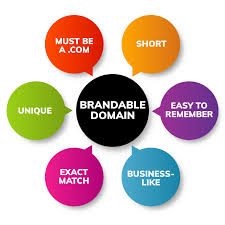
Brandability and Memorability
Can people easily remember the domain? Is it easy to spell? Does it sound good?
These are signs of a brandable domain. Brands are memorable. They stick in people’s minds.
This is vital for marketing.
Short, catchy names are often best. Think of names like Google or Apple. They are simple.
They are easy to say. They don’t have confusing words. A domain that feels like a brand can become very famous.
This makes it very valuable.
Domain Extension (.com, .org, .net, etc.)
The ending of a domain name is important. The .com extension is the most popular. It’s seen as the standard for businesses.
Many people automatically type .com. It feels trustworthy.
Other extensions like .org and .net are also used. However, they often appeal to specific groups. A .org is usually for non-profits.
A .net can be for tech companies. Still, .com generally holds the most value. It’s the most recognized.
Length and Simplicity
Shorter domain names are better. They are easier to type. They are also easier to remember.
Long names can be confusing. People might make mistakes when typing them.
Simple words are also a big help. Avoid hyphens or numbers. These make the domain look less professional.
They can also cause confusion. A clean, short, simple domain is often a winner. It’s easy to share too.
Market Demand and Niche
What is popular right now? What are people searching for? If a domain relates to a hot topic, it can be worth more.
Think about trends. Are people interested in eco-friendly products? A domain related to that could be valuable.
The niche matters too. Some niches are very profitable. For example, finance or health.
Domains in these areas can fetch high prices. It’s about finding a sweet spot. You want a domain that’s in demand.
You want it to be in a strong market.
Traffic and Search Engine Rankings
Does the domain already get visitors? This is a huge factor. A domain with existing traffic is worth more.
It shows it can attract people. This means it’s ready to go for a new owner.
Search engine rankings are tied to traffic. If a domain ranks well, it gets seen. This means more clicks.
A strong ranking history is a sign of a good domain. It has already proven its worth online. This makes it attractive to buyers.
Commercial Intent
Does the domain suggest a business opportunity? Can someone easily start selling something? Domains with clear commercial intent are highly prized.
They are ready for e-commerce.
Think about domains that sound like companies. Or domains that describe a service. These are often the ones that sell for the most.
Buyers see them as investments. They can quickly turn them into profitable businesses. They offer a clear path to making money.
Domain Value Checklist
Ease of Spelling: Can people spell it easily?
Memorability: Will people remember it later?
Brand Potential: Does it sound like a strong brand?
Keyword Relevance: Does it contain important search terms?
Extension: Is it a popular extension like .com?
Length: Is it short and to the point?
History: Does it have a clean, positive past?
Market Demand: Is it in a growing or popular niche?
Real-World Context: Buying a Domain
Imagine you want to start a bakery. You need a name. You also need a web address.
You search for “bestbakery.com”. It’s already taken. You see “thebestbakeryonline.net”.
It’s long. It’s okay, but not great.
Then you find “SweetCrusts.com”. It’s short. It’s catchy.
It sounds delicious. It’s a perfect fit. This domain is more valuable.
It helps build your brand. It’s easy for customers to find you.
Personal Experience: A Domain Missed
I remember a time years ago. I was browsing domain names. I saw “cloudstorage.net”.
At the time, cloud storage wasn’t huge. I thought, “Nah, it’s not .com.” I passed on it. It seemed too generic.
Later, I saw that domain sell for a lot of money. People realized how important cloud storage would become. That domain had the right words.
It had a decent extension. It was in a field that exploded. I learned a big lesson that day.
Don’t just look at the .com. Look at the future.
When Domain Value is High
A domain is often highly valuable if it meets several criteria. First, it’s short. Then, it uses a common word or two.
It must have a .com ending. And it should relate to a popular or growing industry.
Think of generic but useful terms. Words like “loans,” “real estate,” or “software.” If these are part of a domain, and it’s a .com, it’s likely worth a lot. Buyers want these because they have broad appeal.
They can be used in many ways.
Domain Value Breakdown:
The “Power Words”
When Domain Value is Low
A domain might be worth very little if it has many issues. Long, complicated names are bad. Domains with numbers or hyphens are usually not worth much.
Weird or misspelled words also lower value. If the extension is obscure, it hurts too.
A domain that was used for spam or illegal activity is also a problem. Its reputation is ruined. It’s hard to fix.
Most buyers will steer clear. They want a clean start. They don’t want to deal with past issues.
So, avoid domains with bad histories.
What This Means for You
If You’re Buying a Domain
When you buy a domain, think long-term. Choose something that fits your brand. Make sure it’s easy to remember and type.
Consider the .com extension first. If you can find a short, keyword-rich .com, great.
Don’t be afraid of other extensions if they fit. A .io might work for a tech startup. A .co could be good for a company.
But always weigh it against a .com. Research the domain’s history. Check for existing traffic.
This helps you avoid bad buys.
If You’re Selling a Domain
If you have domains to sell, know their worth. Look at all the factors we’ve discussed. Does it have keywords?
Is it brandable? What’s its history? Is there demand for it?
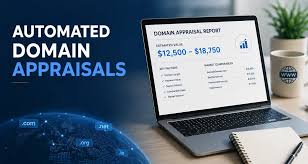
Price it fairly. Research similar domains. Use domain appraisal tools, but take them with a grain of salt.
Your own knowledge is key. Be ready to explain why your domain is valuable. Highlight its strengths.
Good presentation helps.
Quick Fixes & Tips
Tip 1: Check the History
Before buying, use tools like the Wayback Machine. See what the site looked like before. Look for any red flags.
A clean history is crucial for trust.
Tip 2: Analyze Keywords
Use keyword research tools. See how many people search for terms in your domain. High search volume means more potential visitors.
This boosts value.
Tip 3: Think Like a Business
Imagine starting a business with that domain. Would it be easy? Would customers get it?
If yes, it’s a good sign. Commercial intent is a big deal.
Tip 4: Keep it Simple
Always prefer shorter, simpler names. They are more memorable. They are easier to share.
This is a golden rule for domain value.
Tip 5: .com is King, But Not Always
While .com is best, don’t ignore others completely. If a domain is perfect for your niche and has a different extension, it could still work. But be aware it might be worth less.
Domain Appraisal Factors: A Quick Scan
Age: Older is generally better (clean history).
Keywords: Relevant terms boost search visibility.
Length: Shorter is always preferred.
Extension: .com is most valuable.
Brandability: Memorable and catchy.
Traffic: Existing visitors mean immediate value.
Niche Demand: Popular markets command higher prices.
Frequent Questions
Is domain age the most important factor for value?
Domain age is important, especially for its history and SEO. However, it’s not the single most important factor. Brandability, keywords, and extension often play bigger roles.
How much is a domain name with popular keywords worth?
Domains with popular keywords can be worth a lot. This is because they attract search engine traffic easily. Their exact value depends on the keyword’s popularity and competition.
Can I increase the value of my domain name?
Yes, you can. Building a strong website on the domain helps. Creating content, gaining backlinks, and showing consistent traffic can increase its perceived value.
What is considered a “premium” domain name?
Premium domains are typically short, memorable, keyword-rich, and have a .com extension. They are easy to brand and often have high commercial value.
Should I worry about a domain’s past if it was for sale for a long time?
Yes, you should be cautious. A domain that has been for sale for a very long time might have a negative history or issues that deter buyers. Always do your due diligence.
How do I check if a domain has been used for spam?
You can check a domain’s history using tools like the Wayback Machine. Also, search for the domain name on search engines. Look for any mention of spam or negative activity.
Conclusion
Understanding domain value is about seeing the whole picture. It’s a mix of technical aspects and market appeal. Age, keywords, brandability, and extension all play their part.
Keep these factors in mind.
Whether buying or selling, knowledge is your best tool. This helps you make smart moves in the digital world. Good luck finding or creating your valuable online address.