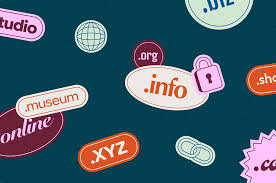
Domain investing is the practice of buying domain names that you believe will increase in value over time, then selling them for a profit. It involves research, strategic purchasing, and marketing to potential buyers. Success depends on understanding market trends and the intrinsic value of a domain.
What is Domain Investing?
Domain investing is like real estate, but for the internet. Instead of houses, you buy website addresses, or domains. These are the names you type into a browser to get to a website.
Think of google.com or amazon.com. These are very valuable domains.
Investors buy domains for different reasons. Some think a name will be popular for a new business. Others buy short, memorable names.
They might also buy names related to trending topics. The goal is to hold onto these domains. Then, they wait for someone to want them badly enough to pay a lot of money.
It’s not just about random guessing. Good domain investors do their homework. They look at what’s popular.
They study what makes a domain name good. This includes how easy it is to spell and remember. They also think about what kind of businesses might want that specific name.
It’s a mix of art and science.
What Makes a Domain Name Valuable?
Memorability: Easy to recall.
Brevity: Shorter is usually better.
Brandability: Sounds like a good company name.
Keyword Relevance: Contains popular search terms.
Extension: .com is king, but others are growing.
The value of a domain can change. A name that seems common today might be gold tomorrow. This is often due to new technologies or trends.
For instance, a domain related to AI or a new social media platform could become very sought after. This is where foresight comes into play for investors.
So, you buy a domain name. It costs maybe $10 to $20 a year to register. You hold it.
Then, someone offers you $1,000, $10,000, or even more for it. That’s the profit. It’s not always quick.
Sometimes it takes years to find the right buyer. But the potential profit can be huge compared to the small yearly cost.
The internet is always growing. New businesses start every day. People are always looking for the perfect name.
This constant demand keeps domain investing alive. It’s a market driven by the need for online identity. And that need isn’t going away anytime soon.
It makes the whole process quite exciting.
My First Domain Investing Dive: A Night of Hope and Hype
I remember it well. It was a Tuesday night. I’d been reading about domain investing online for weeks.
Stories of people making millions popped up everywhere. My head was buzzing with possibilities. I was sitting at my desk, my trusty laptop glowing.
The air felt thick with potential, or maybe it was just the stale coffee.
I had this idea. A name that popped into my head during a really boring meeting. It was “CloudyDreams.com”.
I thought it sounded nice. Maybe for a sleep app or a creative writing site. I rushed home, eager to check if it was available.
My heart pounded a little. It felt like I was on the edge of something big.
A quick search showed it was free. Free! I registered it immediately.
It cost me a grand total of $12.99 for the first year. Twelve dollars and ninety-nine cents. I pictured myself selling it for thousands.
I imagined my name on lists of successful domain investors. I even started thinking about what I’d do with the money. A new bike?
A trip to the coast?
I spent the next few days showing it off to friends. “Look at this domain I bought! It’s going to be huge!” They nodded politely, probably thinking I was a bit crazy.
That’s when reality started to creep in. Nobody was lining up to buy CloudyDreams.com. No emails flooded my inbox with multi-thousand-dollar offers.
The website where I bought it had a little “For Sale” page I could set up. I put a price on it. A modest $500.
I figured that was a good start. I kept checking the domain registrar’s site. Nothing.
The hope started to fade, replaced by a dull realization. This wasn’t as easy as the gurus made it sound. It was going to take more than just registering a name.
I learned a big lesson that first week. Having a domain is just the first tiny step. The real work is making someone want it.
And that’s a whole different game. My $12.99 domain felt less like an investment and more like a very cheap lottery ticket at that point. It was a humbling, but important, start to my journey.
How to Find and Buy Valuable Domains
Finding great domains is like treasure hunting. You need the right tools and knowledge. It’s not about picking names you like.
It’s about finding names that others will pay for. This requires research and a good sense of market trends. Let’s explore how you can start looking for these digital gems.
Market Research and Trend Spotting
The first step is to understand what’s hot. What industries are booming? What new technologies are emerging?
For example, in recent years, terms related to AI, crypto, and sustainable living have seen huge interest. Keep an eye on news, tech blogs, and even social media trends.
Think about future needs. What problems might people face in five years? A domain that solves a future problem could be very valuable.
This kind of forward-thinking is key. It helps you get ahead of the curve. You want to buy before everyone else realizes a name is good.
Tools can help here. Google Trends shows you what people are searching for. Industry reports can highlight growing sectors.
You can also look at existing successful businesses. What kinds of names do they use? What do their domains look like?
Trend Spotting Tools
- Google Trends: See search interest over time.
- Industry News: Follow tech and business publications.
- Social Media: Monitor popular topics and hashtags.
- Forums & Communities: See what people are discussing.
Don’t just chase fads. Look for names that have lasting power. A domain name that’s relevant for years is better than one that’s only popular for a few months.
This is where quality over quantity really matters. It’s about smart choices, not just many choices.
Keyword Research for Domains
Keywords are words people type into search engines. Domains that include popular keywords can be very valuable. Especially if the keyword is a strong brandable term.
For example, “BestCoffeeMaker.com” or “EcoFriendlyLiving.com”.
You can use keyword research tools. These show you search volume (how many people search for a term) and competition. High search volume with reasonable competition is a good sign.
You want a name that people search for but isn’t already heavily used by big brands.
Consider variations. If “TravelInsurance.com” is taken, maybe “CheapTravelInsurance.net” or “BestTripInsurance.org” could be options. The goal is to find terms that are valuable to businesses or individuals looking for specific services or information.
Think about commercial intent. Keywords that suggest a buyer is ready to purchase are often more valuable. Words like “buy,” “best,” “deal,” “online,” or “shop” can signal this.
A domain like “BuySmartphonesOnline.com” has clear commercial value.
Using Domain Name Generators and Marketplaces
There are tools that help you generate domain name ideas. You can input keywords, and they’ll suggest available names. Some generators focus on specific niches.
They can spark ideas you might not have thought of on your own.
Domain marketplaces are where you can buy domains that others are selling. Sites like Sedo, GoDaddy Auctions, and Flippa are popular. You can browse listings, see what others are selling domains for, and make offers.
These marketplaces are also good for seeing what’s currently popular and selling.
Some domains are listed for immediate purchase (Buy It Now). Others go up for auction. Auctions can be exciting.
You might get a great deal if bidding is low. But they can also drive prices up quickly. Be sure to set a budget and stick to it.
Where to Buy Domains
- Registrars: GoDaddy, Namecheap, Google Domains.
- Auction Sites: GoDaddy Auctions, Sedo.
- Marketplaces: Flippa, Afternic.
When you find a domain you like, check its availability. Then, look at its history. Has it been used before?
Does it have any negative associations? Tools like the Wayback Machine can show you old versions of a website. This helps you understand its past life.
Understanding Domain Extensions (.com, .org, .net, etc.)
The most common and valuable domain extension is .com. It’s widely trusted and recognized globally. Most buyers prefer .com domains.
If a strong .com is available, it’s usually the best bet.
However, other extensions, called gTLDs (generic Top-Level Domains), are gaining popularity. These include .org, .net, .io, .ai, .tech, and many others. Some of these are very valuable within specific industries.
For example, .io is popular with tech startups, and .ai is highly sought after for artificial intelligence companies.
When buying, consider if the extension fits the potential buyer. A .org is great for non-profits. A .net might be suitable for a network service.
But generally, for investment purposes, .com is still the gold standard. It offers the widest appeal and broadest market.
Think about the future. As more people search for specific niches, niche extensions might become more valuable. But for now, focus on .com for its broad applicability.
If you find a great name with a less common extension, do your research on that extension’s current market value and appeal.
The Art of Selling Your Domain Name
Buying a domain is only half the battle. The real profit comes from selling it. This requires marketing, negotiation, and understanding buyer psychology.
It’s about making your domain irresistible.
Pricing Your Domain Correctly
This is tricky. There’s no single formula. But there are factors to consider.
First, the keywords in the domain. Are they highly searched or commercially valuable? Second, the length and spelling.
Shorter, easier-to-spell names are worth more.
Brandability is huge. Does it sound like a company? Does it evoke a feeling?
A name like “VividSpark.com” might be more sellable than “JanesHouseCleaningServices.com” if it’s shorter and catchier.
Look at similar sales. Domain marketplaces list past sales data. See what comparable domains sold for.
This is your best guide. Don’t price too high or too low. Too high, and no one will buy.
Too low, and you leave money on the table.
Factors Affecting Domain Value
Keyword Value: Importance of terms within the name.
Length: Shorter domains are generally preferred.
Brandability: How well it fits as a company name.
Memorability: Ease of recall and spelling.
Extension: .com is most valuable.
Age & History: Older domains might have more authority.
Consider offering a “Buy It Now” price. This gives potential buyers a clear offer. You can also list it for auction.
Auctions can create urgency and competition. Be flexible. Sometimes a buyer’s offer is slightly lower than you hoped, but a guaranteed sale is better than no sale.
Marketing Your Domain for Sale
Just listing a domain and hoping for the best rarely works. You need to market it. This means telling people it’s for sale.
Use domain listing services. Many registrars offer a landing page that says “This Domain is For Sale.”
You can also reach out directly to businesses. If you have a domain like “LuxuryYachtsOnline.com,” research yacht companies. See if they are using a less ideal domain.
Send them a polite, professional email. Highlight how your domain could benefit their brand.
Social media can be a tool. Share your available domains on relevant platforms. Use hashtags.
Network with people in industries that your domains relate to. Building connections can lead to opportunities.
Consider domain appraisal services. These can give you a professional valuation. It can add credibility when you market your domain.
It shows buyers you’ve done your homework. It also provides a data-backed reason for your asking price.
Domain Listing Styles
“For Sale” Landing Page: A basic page on your domain.
Marketplace Listings: On sites like Sedo or GoDaddy Auctions.
Direct Outreach: Emailing potential buyers.
Social Media Promotion: Sharing availability.
Be patient. Selling a domain can take time. It might be weeks, months, or even years.
The key is to keep it listed and keep marketing it consistently. Persistence is often rewarded in this game.
Negotiation and Closing the Deal
Once you get an offer, it’s time to negotiate. Stay calm and professional. Understand your bottom line – the lowest price you’ll accept.
Don’t be afraid to counter-offer.
If a buyer offers $1,000, and you were hoping for $2,000, you could counter with $1,800. They might come back at $1,200. You can then decide if $1,200 is acceptable.
Always aim for a win-win situation where both parties feel good about the deal.
When you agree on a price, use a trusted escrow service. These services hold the money and the domain until the transfer is complete. This protects both the buyer and the seller.
It ensures that the buyer gets the domain and you get paid. Sites like Escrow.com are standard for this.
The process involves transferring the domain from your account to the buyer’s registrar. This usually happens after the escrow service confirms payment. The registrar you use will have specific steps for this.
Follow them carefully.
Once the domain is transferred and you’ve received your payment, the deal is done. Congratulations! You’ve successfully invested in and sold a domain name.
It’s a rewarding process when it all comes together. This experience is invaluable for your next investment.
Risks and Challenges in Domain Investing
While domain investing can be profitable, it’s not without its risks. It’s crucial to understand these challenges. This helps you make smart decisions and protect your investment.
Market Volatility and Trends
The value of domain names can change rapidly. A trend that seems popular today might be forgotten tomorrow. If you invest heavily in domains related to a short-lived fad, you could lose money.
The market for domains is influenced by many external factors.
New technologies can make old domain categories obsolete. For example, if a new way to access websites emerges, the value of certain .com domains might shift. Staying informed about tech and cultural shifts is essential.
It’s hard to predict the future. What seems like a great investment now might not be in five years. This uncertainty is a major risk.
You need to be comfortable with the possibility that some domains won’t sell, or will sell for less than you hoped.
Top Risks to Consider
Trend Obsolescence: Domains tied to fads lose value.
Market Saturation: Too many similar domains available.
Poor Naming Choices: Domains that are hard to spell or remember.
Lack of Buyer Interest: Difficulty finding a motivated buyer.
Low Sales Price: Selling for less than expected.
Diversification is a strategy to manage this risk. Don’t put all your money into one type of domain. Invest in different niches and extensions.
This spreads out your risk. If one area declines, others might still perform well.
The Difficulty of Finding Buyers
The biggest challenge for many domain investors is finding a buyer. You might own a great domain, but if no one knows about it or wants it, it’s worthless. This is why marketing is so important.
Some domains are too niche. They appeal to only a handful of people. Others might be too generic.
Businesses might prefer to create their own unique brand name rather than buy a common term.
You need to actively find potential buyers. This takes time and effort. It involves research, networking, and persistent outreach.
It’s not a passive income stream, especially at the start.
If your domain is for sale, make sure it’s listed on multiple platforms. Keep the landing page updated. Be responsive to inquiries.
The easier you make it for someone to find and buy your domain, the higher your chances of success.
Holding Costs and Time Investment
Domain names need to be renewed each year. This costs money. While it might only be $10-$20 per year for one domain, if you own many, these costs add up.
These are your holding costs.
If a domain doesn’t sell for several years, you could end up spending more on renewals than the domain is actually worth. You need to track your renewal dates carefully. You don’t want to lose a potentially valuable domain because you forgot to renew it.
Domain investing also requires a significant time investment. Researching names, checking availability, buying, listing, marketing, and negotiating all take time. This isn’t a “set it and forget it” kind of investment.
You need to actively manage your portfolio.
It’s important to balance your investment. Don’t buy so many domains that the renewal fees become overwhelming. And don’t overextend yourself with time.
Focus on quality domains that have a good chance of selling. Your time is valuable too.
Real-World Context: When Domains Make Sense
Domain investing isn’t for everyone. But there are specific scenarios where it shines. Understanding these contexts helps you see the real value.
Startups and New Businesses
Every new business needs a website. And every website needs a domain name. Startups are often looking for a strong, brandable name that communicates their value.
They might have a budget for a great domain.
If you have a domain that perfectly matches a new company’s service or product, they might be very eager to buy it. Think about a domain like “AI MarketingPro.com” for a new AI marketing agency. That’s a prime target for such a startup.
Often, startups are formed quickly. They might not have the time to brainstorm hundreds of names and check availability. If you can offer them a ready-made, perfect-fit domain, they might pay a premium for that convenience and brand power.
This is where understanding emerging industries is key. If you spot a new trend or a growing sector, investing in relevant domain names can pay off when companies in that sector start looking for their online identity. It’s about being in the right place at the right time with the right name.
Brand Protection and Expansion
Existing companies also buy domains. They do this for brand protection. They might buy variations of their own brand name to prevent competitors from using them.
For example, if Coca-Cola.com is theirs, they might buy Coca-ColaUSA.net or CokeFan.org.
They also buy domains for expansion. If a company is launching a new product line, they might want a specific domain for it. For instance, if Nike is launching a new line of running shoes, they might buy “NikeSpeedRunners.com”.
Sometimes, a company might want a domain that contains a keyword relevant to their business. This can help with their search engine rankings. If they sell insurance, “BestCarInsurance.com” could be valuable to them, even if it doesn’t contain their brand name.
These types of buyers are often well-funded and recognize the value of a strong online presence. They are less price-sensitive than a brand-new startup might be. Their motivation is often about solidifying their brand and capturing market share.
Niche Markets and Specialized Audiences
Some domains are valuable because they serve a specific niche. These might not be widely known, but within their niche, they are very important.
For example, “GourmetDogFood.com” might not appeal to everyone. But for a company specializing in high-end pet nutrition, it’s a perfect match. They might be willing to pay a significant amount for such a domain because it directly targets their ideal customer.
Think about hobbies, specific professions, or unique services. Domains related to rare collectibles, specialized medical equipment, or advanced scientific fields can command high prices within those communities.
The key is to identify these niches. Understand who the players are and what kind of online presence they need. If you can acquire domain names that are highly relevant to these specialized audiences, you can find motivated buyers willing to pay for that targeted relevance.
What This Means for You: When to Be Excited, When to Be Cautious
So, what does all of this mean for someone like you, curious about domain investing? It means there’s potential, but also a need for smart strategy.
When to Feel Excited
You should feel excited if you enjoy research, spotting trends, and have a knack for words. If you can identify a growing industry before it’s mainstream, that’s a huge advantage. Think about the next big thing.
Is it in clean energy? New forms of entertainment? Advanced health tech?
If you can snag a short, memorable .com domain that fits one of these emerging fields, you’re in a great position. Your excitement should be fueled by the possibility of owning a digital asset that could become very valuable. It’s like buying a prime piece of land before a city expands.
Also, feel excited if you have a good eye for brandable names. Names that sound good, are easy to say, and could represent a company well. These are always in demand.
Your ability to see the future potential of a name is your superpower here.
Don’t forget the thrill of the hunt! Finding a great domain that’s available feels like a win. Then, the process of marketing it and finally closing a deal can be very satisfying.
It’s a hands-on form of investing.
When to Be Cautious
You need to be cautious if you’re looking for quick riches. Domain investing typically requires patience. Most domains don’t sell overnight, if they sell at all.
If you need money fast, this might not be the best path.
Be cautious if you’re not willing to do the research. Simply buying domains you like won’t cut it. You need to understand market value, trends, and what makes a domain sellable.
This requires effort and learning.
Also, be cautious if you don’t have a budget for renewals. If you buy dozens of domains, the yearly fees can add up. You need to be able to afford to keep them active.
Make sure you track your renewal dates to avoid losing them.
Finally, be cautious about scams. There are people who will try to trick you into buying worthless domains or paying inflated prices. Always buy from reputable sources and do your due diligence.
If an offer sounds too good to be true, it probably is.
Quick Checks Before Buying
Is it .com? (Generally preferred)
Is it short and easy to spell?
Is it brandable?
Is it related to a growing trend or niche?
Can I afford the yearly renewal?
Think of domain investing as a long-term play. It’s about building a portfolio of assets. Some will do great, some will do okay, and some might not sell.
That’s the reality. But with careful planning and execution, it can be a rewarding venture.
Quick Fixes and Tips for Domain Investors
Here are some practical tips to help you navigate the world of domain investing more effectively.
- Start Small: Don’t invest a lot of money at first. Buy a few domains to learn the ropes. See how the market works before scaling up.
- Focus on .com: While other extensions have value, .com domains generally have the broadest appeal and highest resale value.
- Use Domain Appraisal Tools: Get an idea of your domain’s worth. Tools from appraisal sites can give you a ballpark figure.
- Network: Connect with other domain investors and potential buyers online. Many deals happen through word-of-mouth.
- Be Patient: Selling domains takes time. Don’t get discouraged if you don’t get offers right away.
- Keep Records: Track your purchases, renewal dates, and any marketing efforts. This helps you manage your portfolio.
- Learn from Others: Read blogs, join forums, and follow successful domain investors. Learn from their successes and mistakes.
Remember that consistency is key. Regularly researching new domain opportunities and marketing your existing ones will increase your chances of success. It’s an active pursuit, not a passive one.
Frequently Asked Questions About Domain Investing
Is domain investing a good way to make money?
Domain investing can be a profitable way to make money, but it requires significant research, patience, and understanding of market trends. Not every domain will sell for a profit, and some may never sell at all. It’s more of a strategic investment than a guaranteed income source.
How much money do I need to start investing in domain names?
You can start domain investing with very little money. Domain registration typically costs $10 to $20 per year. You can buy a few domains to begin learning.
However, to build a substantial portfolio or acquire premium domains, you might need hundreds or thousands of dollars.
What is a premium domain name?
A premium domain name is typically a short, memorable, and brandable domain, often a .com, that is highly sought after. Examples include single words, common phrases, or dictionary words. These domains are often harder to acquire and can be very expensive.
How long does it usually take to sell a domain name?
There is no set timeframe for selling a domain name. Some domains can sell within days or weeks, especially if they are in high demand or priced attractively. Others can take months, years, or may never sell.
Patience is a virtue in domain investing.
What are the biggest mistakes new domain investors make?
Common mistakes include buying domains based on personal preference rather than market value, not researching trends, overpaying for domains, neglecting renewal fees, and not actively marketing their domains for sale. It’s crucial to approach it as a business decision.
Should I build a website on my domain before selling it?
Sometimes, building a simple landing page with a “For Sale” notice is enough. For some domains, developing a basic website that showcases its potential use can attract buyers. However, this adds cost and time.
For many investors, simply holding and marketing the name is the primary strategy.
Conclusion: Your Domain Investing Journey Begins
Domain investing is a fascinating blend of online real estate and trend spotting. It offers the potential for significant returns. But it’s not a get-rich-quick scheme.
It demands research, patience, and a strategic mindset. By understanding the market, focusing on quality names, and marketing effectively, you can build a valuable digital asset portfolio.